
What Is Your Child's "Eating Personality"?

By Anna M. Lutz, MPH, RD, LDN, CEDS-C
If you’re a parent, you know there’s no shortage of feeding advice out there, and most advice assumes that all children approach food in the same way. But just like each child has their unique personality, they also have distinctive “eating personalities.”
In fact, a child’s approach to the world is often reflected in their approach to food.
How Does Your Child Approach a New Situation?
Imagine you’re taking your child to a loud, crowded birthday party. You probably already know what kind of support they’ll need to walk through the door. Is your child:
- The fearless adventurer who runs in excited and ready to explore. The fearless adventurer doesn’t hold back and jumps right in!
- The sensitive observer who hangs back, needing time to warm up in small doses. This child may be more sensitive to sensory input such as noises, smells, and textures. They don’t do well if they are told what the “have to do”.
- The look-before-you-leap kid who needs your hand for that first step, but then quickly wants to do it on their own. This child may require additional support initially to feel grounded and calm.
There are many more examples, and none are right or wrong.
Each child has their unique personality, they also have distinctive "eating personalities".
Anna M. Lutz, MPH, RD, LDN, CEDS-C
What does this have to do with food?
These same traits show up at the table when it comes to food. Some kids dive right into new foods! They may love food just as much as they love new situations! Others, who are more sensitive to the world, need time and lots of exposure to new foods. This child doesn’t do well with anything that feels like pressure, but needs your consistent support. Other children need extra structure and support to try new foods or develop their eating skills.
What feels like support to the look-before-you-leap kid may feel like pressure to a sensitive observer.
Diet Culture Gets in the Way of Parenting
Diet culture loves to tell us that all kids should eat the same things, in the same amounts, and in the same way. Diet culture also tells us it’s the parents’ responsibility to “get it right”. However, this directly contradicts what most of us already know: our children are individuals with distinct personalities, temperaments, and abilities.
Many parents have a unique, thoughtful parenting style that supports their child within their family. However, when it comes to food, often a parent’s approach is different and possibly contradictory to their parenting style. Diet culture has a way of sneaking in and pushing us to parent around food in ways that don’t align with how we parent in the rest of our child’s life. That’s not a failure. It’s a very normal consequence of living in a world full of pressure and misinformation about food and eating.
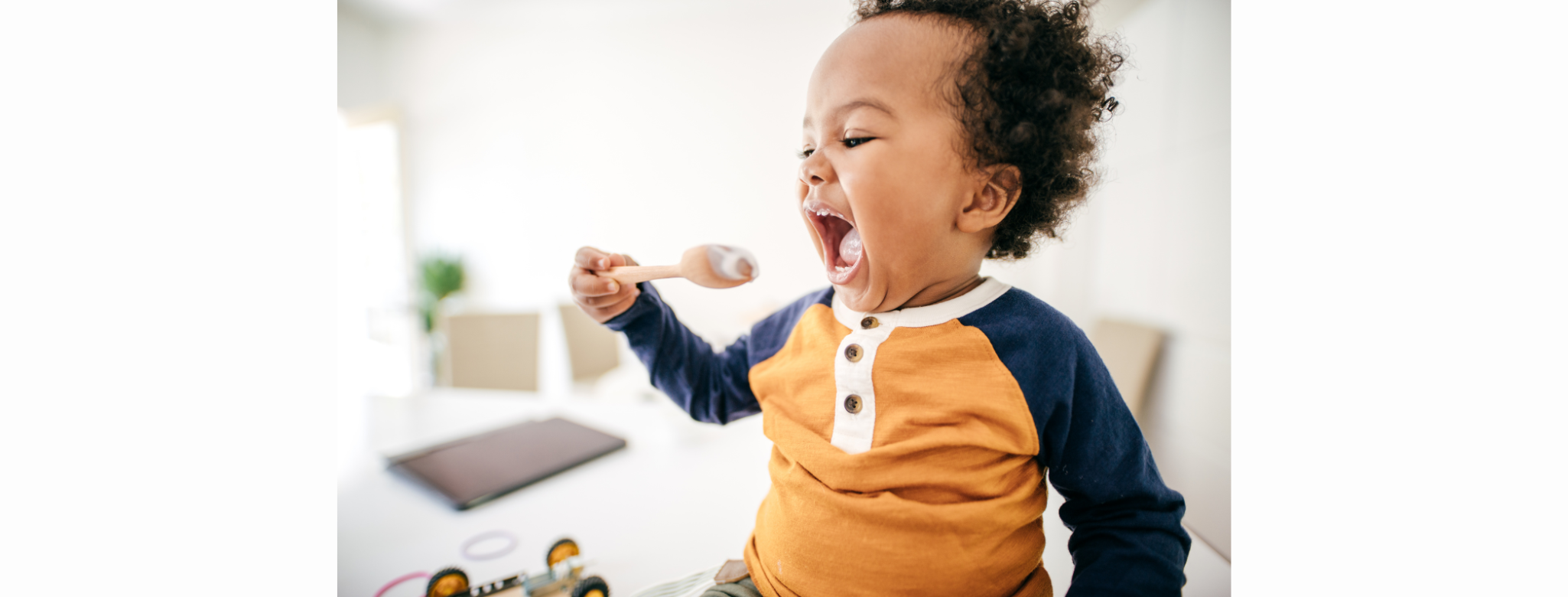
Eating Is a Developmental Skill
Just as walking, talking, falling asleep on one’s own, or separating at preschool drop-off are developmental skills, learning to eat well is also a developmental skill.
Young children often need more structure, routine, and hands-on support:
- A predictable meal and snack schedule
- Repeated exposure to a variety of foods within that set schedule
- Support around sensory challenges that are unique to the child
- Calm, consistent boundaries to arrive at the meal time hungry but not starving
As they grow, their skills develop, and children need less hands-on support to eat well. As the scaffolding slowly comes down, older children become able to continue responding to their hunger and fullness, navigating food at school or a friend’s house, and taking care of their food needs when parents are not present. This looks different for every child. Each child is on their unique timeline. Like any developmental skill, they gradually build new skills with support, experience, and increased confidence.
Your Child's Eating Personality is Unique
When you think about how to support your child with eating, start with what you already know about them.
Ask yourself:
- How does my child typically approach new experiences?
- What helps them feel safe and confident in other areas of life?
- How can I offer similar support around food?
When we honor a child’s personality, rather than trying to fit them into rigid feeding rules, we help them build self-trust, independence, and a lifelong positive relationship with food.
About the author. Anna Lutz, MPH, RD, LDN, CEDS-C specializes in eating disorders and pediatric/family nutrition. Anna received her Bachelor of Science degree in Psychology from Duke University and Master of Public Health in Nutrition from The University of North Carolina at Chapel Hill. She is a Certified Eating Disorders Specialist (CEDS) and an Approved Supervisor, both through the International Association of Eating Disorder Professionals (iaedp). She is the Owner of Lutz, Alexander & Associates Nutrition Therapy.
Spread the word
Medical Disclaimer: All content found on the HER Health Collective Website was created for informational purposes only and are the opinions of the HER Health Collective experts and professional contributors. The Content is not intended to be a substitute for professional medical advice, diagnosis, or treatment. Always seek the advice of your physician or other qualified health providers with any questions you may have regarding a medical condition. Never disregard professional medical advice or delay in seeking it because of something you have read on this Website. If you think you may have a medical emergency, call your doctor, go to the emergency department, or call 911 immediately.
