
Women Weren’t Meant to Navigate These Transitions Alone
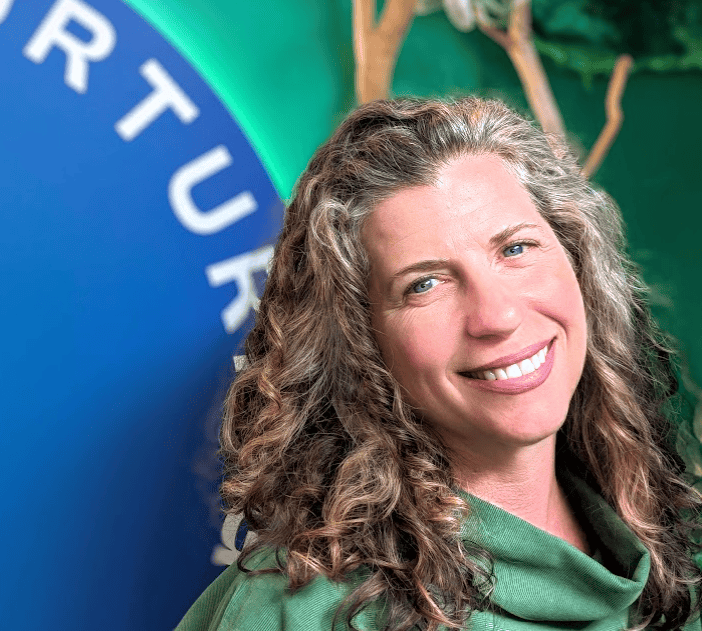
By Kate Layman, ARNP, CNM, founder of Mother Love Wellness
As a nurse-midwife working in the Triangle since 2009, I’ve had the privilege of caring for women through some of the most transformative moments of their lives. I’ve supported births in homes, birth centers, hospitals, and now through my own practice focused on early pregnancy, the postpartum year, and perimenopause.
Over the years, I began to notice a common thread running through all of these transitions: women were expected to navigate enormous physical, emotional, and hormonal changes with very little support, education, or preparation.
Too often, women leave appointments with more questions than answers. They’re told symptoms are “normal,” or to give it time. They’re exhausted, overwhelmed, anxious, or disconnected from themselves and wondering if they’re somehow failing.
They’re not failing. Many are simply moving through major life transitions without the level of care and community they truly deserve.
Early Pregnancy: The Waiting Period No One Talks About
One of the most unsupported times in women’s healthcare is early pregnancy.
Many women don’t see a provider until eight to ten weeks into pregnancy, yet those first weeks are often filled with uncertainty. Questions come quickly:
Is this symptom normal?
Can I take this medication?
What if I’ve had a prior loss?
What if I’m not sure what I want to do?
Who should I even see for care?
For some women, early pregnancy is joyful. For others, it’s filled with anxiety, fear, grief, or isolation. Most women simply want someone knowledgeable and compassionate to help them understand what’s happening in their bodies.
What women need during this stage isn’t just reassurance, they need access. Early touchpoints with a trusted provider can make an enormous difference. Whether through virtual visits, educational consultations, or simple opportunities to ask questions, women deserve support before the traditional first prenatal appointment.
Education early on reduces fear. Connection builds confidence. And feeling supported from the beginning changes how women experience the rest of pregnancy.
When women feel seen and supported, they’re more likely to seek care earlier, advocate for themselves, and make informed decisions about their health. That impact extends beyond the individual woman, it influences families, children, relationships, and entire communities.
Kate Layman, ARNP, CNM
Postpartum Is More Than a Six-Week Checkup
The traditional six-week postpartum visit was never designed to fully support the realities of modern motherhood.
By six weeks, many women are already struggling through sleep deprivation, feeding challenges, hormonal shifts, physical recovery, relationship changes, and the emotional weight of caring for a newborn, often while feeling isolated and overwhelmed.
At the same time, the postpartum period is one of the most medically vulnerable times in a woman’s life. Serious complications like hemorrhage, infection, hypertension, anxiety, and depression frequently happen long before that six-week visit ever occurs.
And beyond the medical concerns, many women are shocked by how long recovery actually takes.
We don’t talk enough about the identity shifts. The loneliness. The overstimulation. The resentment that can surface from carrying so much invisible labor. We don’t prepare women for how deeply hormones, sleep deprivation, and stress affect mood, cognition, relationships, and physical healing.
Women deserve better than one brief appointment.
Postpartum care should be a continuum, not a single visit.
That support can look like:
- early postpartum check-ins
- community support groups
- lactation and pelvic floor support
- mental health resources
- practical planning around meals, sleep, and returning to work
- realistic education about recovery and expectations
One of the most powerful things we can do is help women prepare for postpartum before the baby arrives. We spend so much time preparing for birth, but very little time preparing for life after birth.
- Who will help you rest?
- Who will feed you?
- What boundaries will protect your recovery?
These conversations matter.

Perimenopause Deserves More Attention Than It Gets
Perimenopause is another transition where many women feel dismissed, confused, or completely unprepared.
Women often enter their late 30s and 40s experiencing anxiety, insomnia, brain fog, painful periods, mood changes, fatigue, low libido, or changes in body composition without realizing hormones may be contributing.
Instead, many are told they’re simply stressed, aging, or need to “push through.”
The reality is that perimenopause is a significant physiologic transition that affects nearly every system in the body. Estrogen, progesterone, and testosterone influence the brain, cardiovascular system, metabolism, bones, sleep, and mood. Yet many women were never taught even the basics about their hormones throughout their lives.
Education is empowering.
When women understand what’s happening in their bodies, they’re able to seek appropriate support sooner and participate more confidently in decisions about their care.
There’s no one-size-fits-all solution for perimenopause, but evidence-based support may include:
- strength training for muscle and bone health
- sleep protection and stress management
- nutrition and blood sugar support
- symptom tracking
- non-hormonal medications when appropriate
- hormone therapy for eligible women
Most importantly, women deserve providers who listen carefully, explain options clearly, and engage in true shared decision-making rather than dismissing symptoms.
Women Need Relationship-Based Care
What ties all of these transitions together is the need for relational, whole-person care.
The midwifery model is rooted in the understanding that emotional health, relationships, stress, hormones, environment, and physical health are deeply connected. We cannot separate the body from the lived experience of being human.
Sometimes what women need most is education. Sometimes it’s medical treatment. Sometimes it’s simply hearing, “You’re not emotional. This is real. And you don’t have to navigate it alone.”
When women feel seen and supported, they’re more likely to seek care earlier, advocate for themselves, and make informed decisions about their health. That impact extends beyond the individual woman, it influences families, children, relationships, and entire communities.
Women deserve care that doesn’t treat them as fragmented body systems or isolated symptoms. They deserve care that recognizes the full complexity of their lives and supports them through each stage of change.
Because these transitions were never meant to be navigated alone.
What support do you wish women received more of during early pregnancy, postpartum, or perimenopause?
About the author. Kate Layman, ARNP, CNM, is the founder of Mother Love Wellness and a Certified Nurse Midwife with over two decades of experience supporting women on their journey into motherhood. Her career spans diverse settings — including home births, birth centers, hospitals, and virtual care — giving her a comprehensive perspective on women’s health.
Spread the word
Medical Disclaimer: All content found on the HER Health Collective Website was created for informational purposes only and are the opinions of the HER Health Collective experts and professional contributors. The Content is not intended to be a substitute for professional medical advice, diagnosis, or treatment. Always seek the advice of your physician or other qualified health providers with any questions you may have regarding a medical condition. Never disregard professional medical advice or delay in seeking it because of something you have read on this Website. If you think you may have a medical emergency, call your doctor, go to the emergency department, or call 911 immediately.
