
Understanding Picky Eating

By Anna M. Lutz, MPH, RD, LDN, CEDS-C
What Is Typical “Picky Eating”?
If mealtimes have become a source of stress because your child seems to eat only a handful of foods, you’re in good company! “Picky eating” is incredibly common and, for many children, a completely normal part of development.
Understanding what typical picky eating looks like can help you approach meals with more confidence and less worry.
“Picky Eating” Is Often a Normal Stage of Development
Many children become pickier between the ages of 18 months and 6 years. As toddlers grow into preschoolers, they naturally become more independent. They begin making more decisions for themselves, including what they want to eat.
At the same time, children are biologically wired to be cautious about unfamiliar foods. This “food neophobia” (fear of new foods) is thought to have helped protect young children from eating potentially harmful foods as they became more mobile and curious.
During this stage, it’s common for children to:
- Suddenly reject foods they previously enjoyed.
- Prefer familiar foods over new ones.
- Be more sensitive to certain textures, smells, or colors.
- Want the same foods repeatedly.
- Eat a lot one day and very little the next.
While these behaviors can be frustrating, they are usually part of typical child development, not a sign that your child will always be a picky eater.
Parents often feel discouraged when they prepare a new food and their child doesn’t eat it, but it’s important to know that exposing your child to different foods is progress.
Anna Lutz
What Parents Can Do
When parents worry that their child isn’t eating enough or enough variety, it’s natural to want to encourage “just one more bite.” But research shows that pressure, bribing, negotiating, or rewarding children for eating can actually backfire over time and make mealtimes more stressful.
Instead, focus on creating a positive and predictable mealtime environment.
Some helpful strategies include:
- Offer meals and snacks on a consistent schedule.
- Include at least one food your child generally accepts at each meal.
- Continue serving new foods without expecting your child to taste them.
- Let your child decide whether and how much to eat from what is offered.
- Keep mealtime conversations positive and avoid turning meals into a battle.
Remember that learning to like a new food takes time. Also, your child won’t eat the foods you don’t offer them. A child may need many pressure-free opportunities to see, smell, touch, and eventually taste a food before accepting it. It may take years before your child returns to eating some of the foods they ate with enthusiasm right when they started eating solid foods.
Progress Happens One Bite at a Time
Parents often feel discouraged when they prepare a new food and their child doesn’t eat it, but it’s important to know that exposing your child to different foods is progress.
A child who watches their parent eat broccoli and then tolerates broccoli on their plate next week, may touch it next month, lick it a month later, and eventually eat it. Every interaction with food is part of the learning process.
Rather than measuring success by whether your child ate the food, celebrate (Inside your head – as even praise can feel like pressure to some children.) smaller steps:
- Sitting at the table.
- Looking at a new food.
- Helping prepare a meal.
- Smelling or touching a new food.
- Taking a small taste, even if they don’t swallow it.
These are all signs that your child is building familiarity and confidence around food. Know that you are doing your job if you are simply offering a variety of foods to your child.
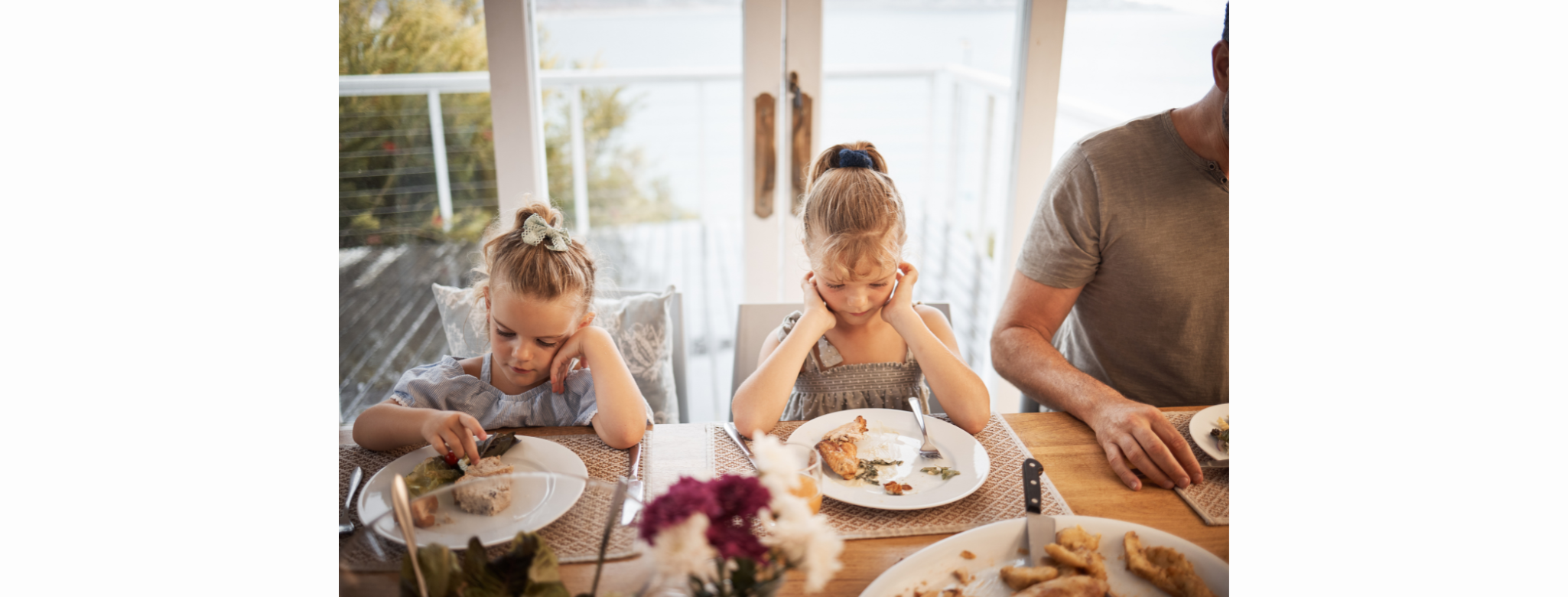
What Isn't Typical Picky Eating?
Although most picky eating is a normal developmental phase, some feeding challenges go beyond what we’d expect.
If your child has an extremely limited diet, experiences intense distress around unfamiliar foods, or eating is interfering with growth, nutrition, family life, or social activities, it may be more than typical picky eating.
One condition that has received increasing attention in recent years is Avoidant/Restrictive Food Intake Disorder (ARFID), a type of eating disorder. Children with ARFID don’t avoid food because of body image concerns. Instead, they may avoid eating because of sensory sensitivities, a fear of choking or vomiting, or a lack of interest in eating. Their food avoidance can become severe enough to affect growth, nutritional status, or daily functioning.
Unlike typical picky eaters, children with ARFID generally do not “grow out of it” without professional support. The good news is that effective treatment is available, especially when concerns are recognized early.
When to Seek Additional Support
Talk with your child’s pediatrician or family feeding-specialized registered dietitian if your child:
- Eats very few foods and their variety continues to decrease.
- Eliminates entire food groups for an extended period.
- Is losing weight or not growing as expected.
- Frequently gags, chokes, or vomits while eating.
- Has significant anxiety, fear, or distress around meals.
- Refuses foods based on texture, smell, or appearance to the point that eating becomes very limited.
- Avoids birthday parties, school lunches, or other social situations because of food.
- Mealtimes consistently feel overwhelming for your child or your family.
Early support doesn’t necessarily mean something is seriously wrong. Sometimes families simply benefit from guidance that makes mealtimes less stressful. The more a parent can feel supported, when it comes to feeding, the more a child can continue to learn and grow with their eating.
Give Yourself Grace
One of the biggest misconceptions about picky eating is that it’s caused by how the parent has fed their child. In reality, children come into the world with different temperaments, sensory preferences, and appetites. Your job isn’t to make your child eat, it’s to provide regular opportunities for nourishment in a supportive environment.
Try to think of your role as creating the opportunity to eat, while trusting your child to decide whether and how much to eat from what is offered. This responsive feeding approach helps children develop confidence in their bodies, supports self-regulation, and fosters a healthier relationship with food over time.
If mealtimes feel challenging right now, know that you’re not alone. Picky eating is a common stage for many children, and with patience and consistency, most children gradually expand the foods they enjoy. And if your child’s eating seems to go beyond typical picky eating, reaching out for support is a sign of strength and a gift you can give yourself.
About the author. Anna Lutz is a Registered Dietitian with Lutz, Alexander & Associates Nutrition Therapy and specializes in eating disorders and pediatric/family nutrition. Anna practices from a weight inclusive approach and supports individuals in breaking free of diet culture for themselves and their families. Anna is a national speaker and delivers workshops and presentations on childhood feeding, eating disorders, and weight-inclusive healthcare. Anna writes about nutrition, cooking, and family feeding, free of diet culture, at Sunny Side Up Nutrition. She is the mom of 3 very different eaters.
Spread the word
Medical Disclaimer: All content found on the HER Health Collective Website was created for informational purposes only and are the opinions of the HER Health Collective experts and professional contributors. The Content is not intended to be a substitute for professional medical advice, diagnosis, or treatment. Always seek the advice of your physician or other qualified health providers with any questions you may have regarding a medical condition. Never disregard professional medical advice or delay in seeking it because of something you have read on this Website. If you think you may have a medical emergency, call your doctor, go to the emergency department, or call 911 immediately.
