
Why Your Body Feels Different After Babies—and Again in Perimenopause
By Kate Layman, ARNP, CNM, founder of Mother Love Wellness
By Kate Layman, ARNP, CNM, founder of Mother Love Wellness
When I meet with a woman in her 40s who is struggling with changes in her energy, sleep, mood, weight, or hormones, I may ask her a question she isn’t expecting:
“Tell me about your pregnancies.”
At first, that can seem like an odd place to start. Her youngest child might be 5, 15, or even 25. She’s here to talk about what’s happening now. Why are we talking about pregnancy?
Because I don’t see pregnancy, postpartum, and perimenopause as isolated chapters in a woman’s health. I see a story and I want to connect the dots.
I’m a Nurse Practitioner and Certified Nurse Midwife, and after more than two decades of caring for women, I’ve learned that our bodies often give us information long before we realize its significance.
Pregnancy Is a Stress Test
I often describe pregnancy as one of the body’s first major stress tests.
Pregnancy demands almost every system to adapt. The cardiovascular system works harder, metabolism changes, and the immune system adapts. Blood sugar regulation, thyroid function, and hormones all respond to the demands of growing another human.
Sometimes that stress test uncovers vulnerability. Maybe you developed gestational diabetes. Your blood pressure went up, or you had preeclampsia. Your thyroid changed. Or perhaps anxiety, depression, or metabolic changes became much more noticeable during pregnancy or postpartum.
Too often, once the baby arrives and the immediate problem resolves, we close that chapter. I don’t think we should.
You don't have to overhaul your pantry this weekend or make a separate “healthy” dinner for yourself. Start with one thing.
Kate Layman
Postpartum deserves a debrief.
What happened during pregnancy? What did we learn about your body? What should we continue to watch? What could we do now to support your health five, ten, or twenty years from now? Your reproductive history is part of your health history.
And then, before many women expect it, another major hormonal transition arrives perimenopause.
When Old Clues Become Relevant Again
Postpartum and perimenopause look very different from the outside, but both involve significant hormonal change.
In some ways, I describe postpartum as a kind of ‘mini-menopause’ because of the dramatic hormonal shift that occurs after delivery.
Estrogen and progesterone aren’t simply reproductive hormones. They interact with our immune and metabolic systems and influence inflammatory processes throughout the body. Research increasingly recognizes major hormonal transitions including pregnancy, postpartum, perimenopause, and menopause as times when immune function and inflammatory responses can shift.
During perimenopause, women may also begin noticing changes in sleep, mood, body composition, insulin sensitivity, cholesterol, blood pressure, and energy.
This doesn’t mean hormones cause every symptom or that inflammation explains everything. But it does mean these transitions are important opportunities to pay attention.
When a woman comes to see me, I’m interested in more than the date of her last period.
How is she sleeping? What is she eating? How does she move her body? What does her stress look like? What happened during pregnancy? What happened postpartum? What has changed recently?
And most importantly: How does she feel?
Nutrition is one piece of that bigger picture and it’s a powerful place to begin.
This Isn't Another Diet
When I talk about eating in a way that supports lower inflammation, the last thing I want to give women is another list of rules. Women already have enough rules.
Mothers in particular carry an enormous amount of the mental load around food: What’s for dinner? Did anyone eat a vegetable today? Will my selective eater touch this? Do we have groceries? Is there enough protein?
And how am I supposed to do all of this after a long, busy day?
I’m much more interested in addition than restriction.
Instead of asking:
What do I have to stop eating?
Try asking:
What could I add that would nourish my body better?
Carbohydrates Aren't All the Same
Low-carbohydrate and whole food diets have received tremendous attention, including research into their potential metabolic and anti-inflammatory effects.
But I don’t think the message for most women should be “all carbs are evil.”
There’s an enormous nutritional difference between lentils, beans, berries, or whole grains and soda, pastries, or highly processed snack foods, even though they all contain carbohydrates.
Instead, look at the overall pattern.
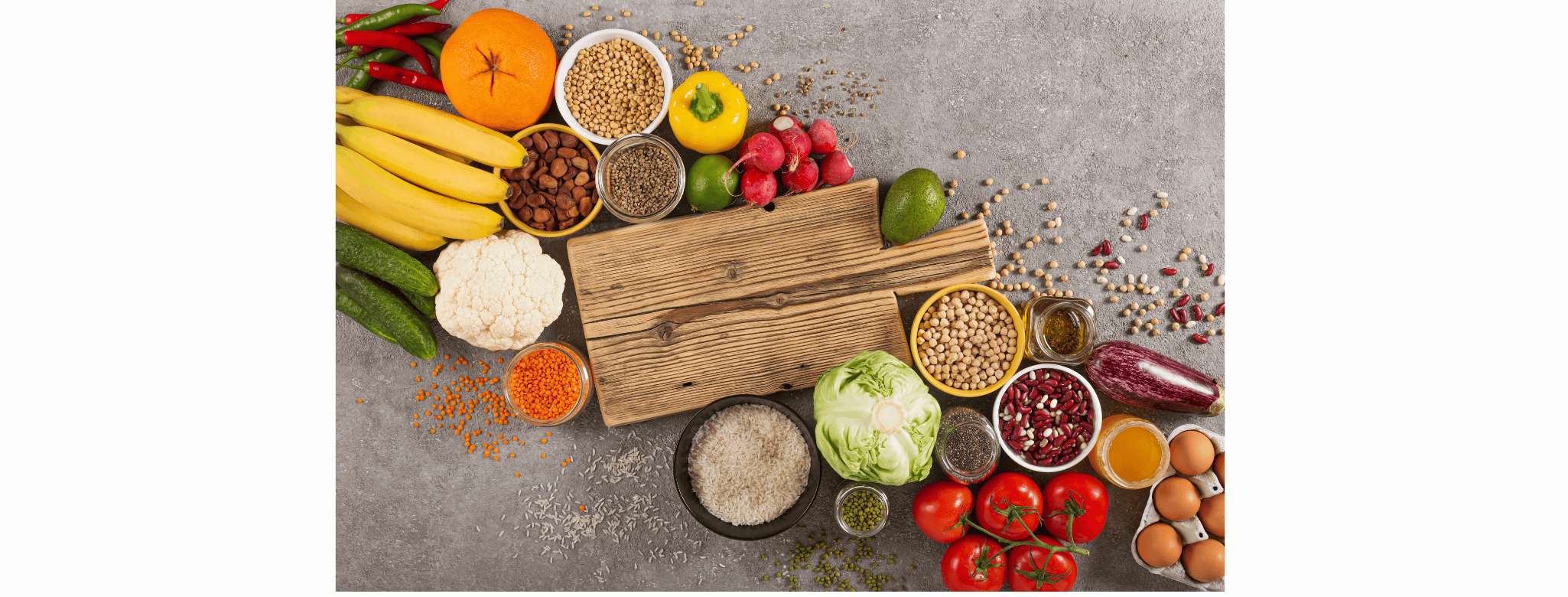
Dietary patterns dominated by ultra-processed foods, refined carbohydrates, and added sugars can work against metabolic health. Vegetables, fruits, beans, nuts, seeds, fish, eggs, healthy fats, and other minimally processed foods provide protein, fiber, vitamins, minerals, antioxidants, and other nutrients our bodies need.
So, let’s start by adding. Add protein to breakfast. Add berries to yogurt. Add another vegetable to dinner. Keep nuts and seeds stashed everywhere for convenience. Think protein, fiber, healthy fats, and color.
As these foods take up more space on our plates, they may naturally begin crowding out some of the foods we’re trying to eat less often. Protein, fiber, and healthy fats can also help us feel full and satisfied for longer. That’s not a diet. It’s a lifestyle.
Food Is More Than Biochemistry
There’s another reason I’m cautious about food rules.
Food is social.
Food is birthday cake and pizza with friends. It’s a much needed “date night” with your partner and the recipe your grandmother makes every Christmas. It’s sitting around the table hearing about everyone’s day.
As mothers, we’re not just providing nutrients. We’re also modeling a relationship with food and creating traditions our children may carry into their own families.
A theoretically “perfect” anti-inflammatory diet that creates anxiety, isolation, more work for you, or battles around the dinner table may be missing another important part of health.
Eating well has to coexist with real life.
Become Curious Instead of Critical
Rather than judging your food choices, get curious about them.
How do you feel after breakfast? Are you hungry again an hour later? What happens when you include more protein? How is your afternoon energy? Which foods leave you satisfied? What happens to your digestion, cravings, mood, or sleep with a change?
It’s about learning your body.
And nutrition isn’t the whole story. Movement, muscle mass, sleep, stress, relationships, medications, medical conditions, genetics, and social connection matter too.
Connect Your Own Dots
If you’re approaching perimenopause, think back.
What did pregnancy teach you? Did you have gestational diabetes? High blood pressure? Preeclampsia? Thyroid problems? Significant mood changes? What happened postpartum?
And what are you noticing now?
These things may or may not be connected, but they deserve a conversation.
Women’s healthcare shouldn’t simply address today’s symptoms. It should create enough space to look backward, understand what’s happening now, and think proactively about where you’re going next.
That’s the kind of care I believe in.
You don’t have to overhaul your pantry this weekend or make a separate “healthy” dinner for yourself. Start with one thing. Choose one nourishing food you’d like to eat more often. Add it consistently. Pay attention to how your body and mind respond.
Then get curious about the rest of your story.
If this way of looking at your health resonates with you, this is exactly the kind of work I do with women in my practice. I take the time to look at your reproductive history, current symptoms, nutrition, sleep, stress, lifestyle, and goals and help you connect the dots between where you’ve been, how you’re feeling now, and where you want your health to go.
Sometimes the most useful question isn’t simply, “What’s wrong with me now?”
It’s:
“What has my body been trying to tell me all along?”
I’d love to hear from you: Looking back at pregnancy or postpartum, what did you learn about your body that deserves more attention now?
About the author. Kate Layman, ARNP, CNM, is the founder of Mother Love Wellness and a Certified Nurse Midwife with over two decades of experience supporting women on their journey into motherhood. Her career spans diverse settings — including home births, birth centers, hospitals, and virtual care — giving her a comprehensive perspective on women’s health.
Spread the word
Medical Disclaimer: All content found on the HER Health Collective Website was created for informational purposes only and are the opinions of the HER Health Collective experts and professional contributors. The Content is not intended to be a substitute for professional medical advice, diagnosis, or treatment. Always seek the advice of your physician or other qualified health providers with any questions you may have regarding a medical condition. Never disregard professional medical advice or delay in seeking it because of something you have read on this Website. If you think you may have a medical emergency, call your doctor, go to the emergency department, or call 911 immediately.
