

The Hormone Skin Guide for Moms
Why is your skin changing and what to do about it (at every stage).
Why is your skin changing and what to do about it (at every stage).

Why intentional parenting happens in the five minutes we almost miss
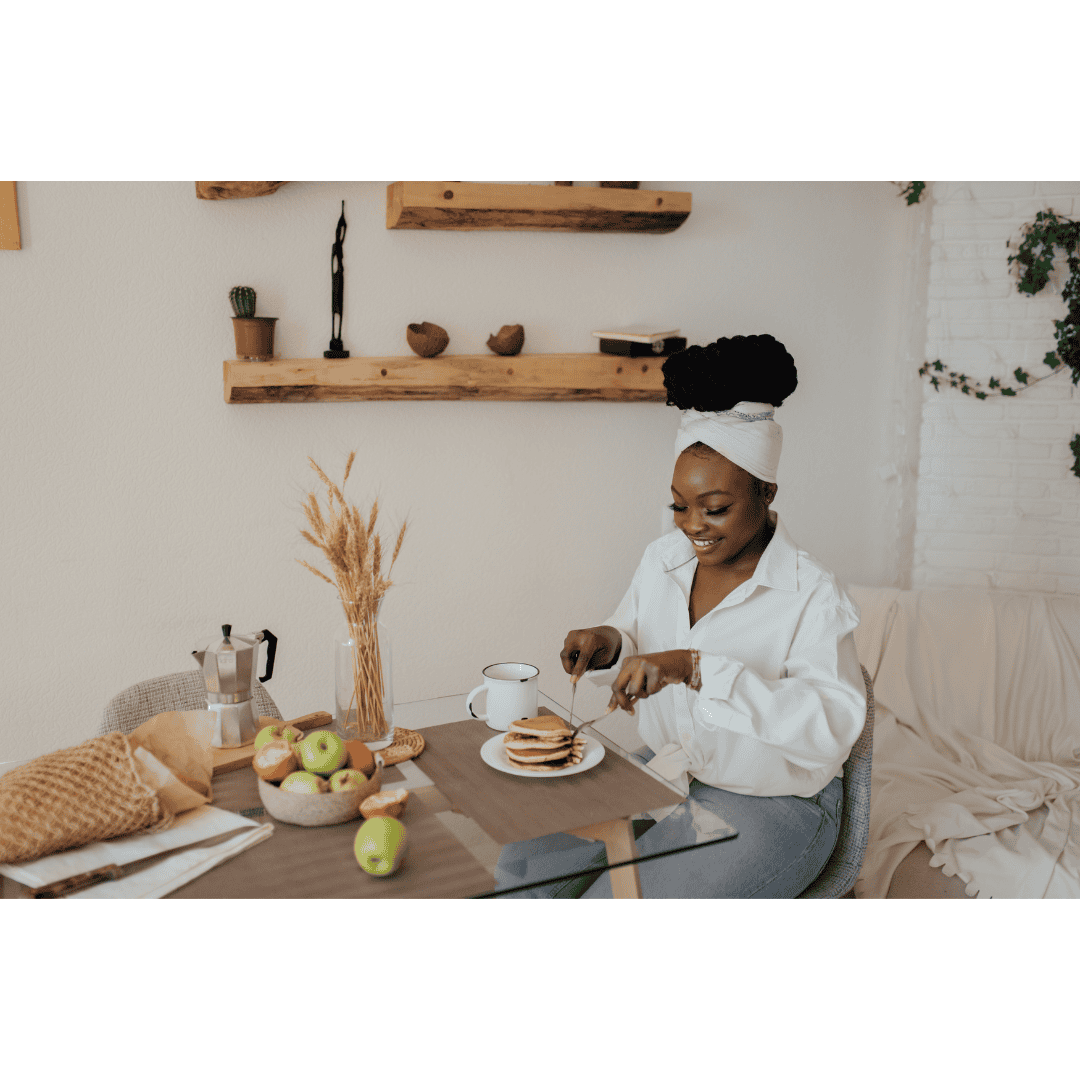
How hormonal shifts, inflammation, and nutrition connect from pregnancy through midlife—and why eating better doesn’t have to mean another restrictive diet

You don’t have to be a perfect parent to raise resilient children. You simply have to keep showing up, keep having the conversations, and keep modeling the kind of life you hope they’ll one day choose for themselves.

The moments we usually treat as disruptions to our routine are actually the best opportunities to build one. Transitions are disorienting by nature. A ritual, even a two minute one, gives you something solid to stand on while everything else is shifting around you.

As much as we want updated photos, the mental load of choosing a style, booking a photographer, and actually making it happen can feel daunting when your plate is already full. Let’s find the one that fits your family’s vibe so you can check this off your list and move on to the rest of your to-dos!

When we start to pull apart the differences between feeling safe and feeling stuck, we deepen the understanding we have of ourselves, our habits, and the motivations living underneath those habits.

One of the biggest misconceptions about picky eating is that it’s caused by how the parent has fed their child. In reality, children come into the world with different temperaments, sensory preferences, and appetites.

Many mothers are running on empty, and the constant pressure is stealing their peace. The good news? Calm and joy are accessible through intentional mindset shifts.
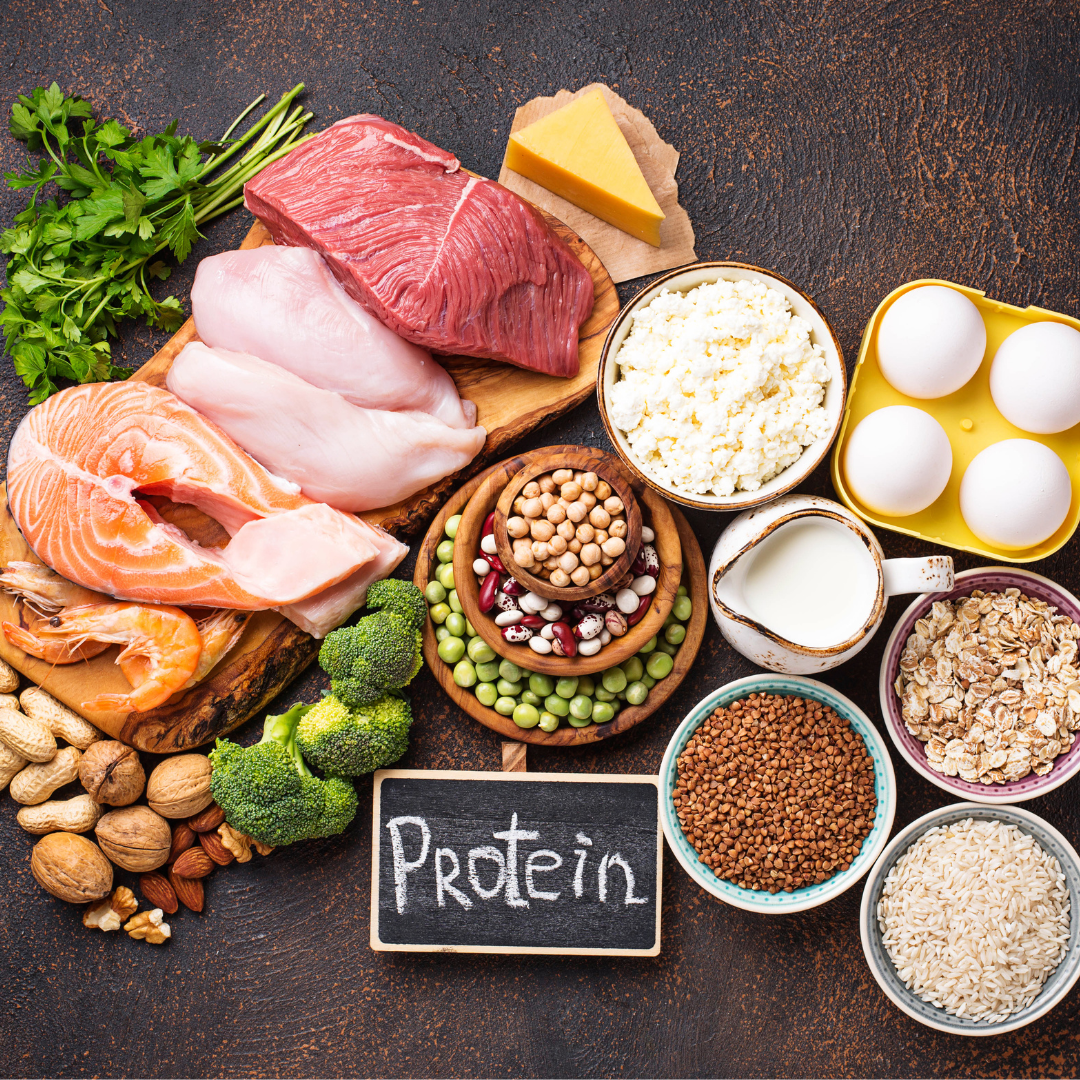
Most moms run on coffee, leftover chicken nuggets, handfuls of snacks while packing lunches, and meals built around convenience instead of nourishment. Starting your day with protein often helps reduce energy crashes and cravings later on.