
The Moments That Matter Most

By Anastasia Arauz, LCMHC, RPT
When I became a parent, I knew I wanted to be present and intentional. I had studied brain development, child development, attachment, and all the things that help create healthy families. I knew parenting would be difficult. I knew it would take patience, consistency, and time. What I don’t think I fully understood was just how much time it would take.
Parenting is a nonstop job. Eighteen years—or more—of being needed, interrupted, asked questions, solving problems, finding lost shoes, mediating arguments, listening to stories, and showing up again and again even when we are tired. Sometimes, the moments that matter most are the ones that seem the most insignificant.
My son walks through the door after school, and before his backpack even hits the floor, he starts talking. I’m working. I’m in the middle of an email. I’m thinking about the next thing on my to-do list.
“Mm-hmm,” I say, without looking up.
And somewhere in my body, I know exactly how that moment feels for him.
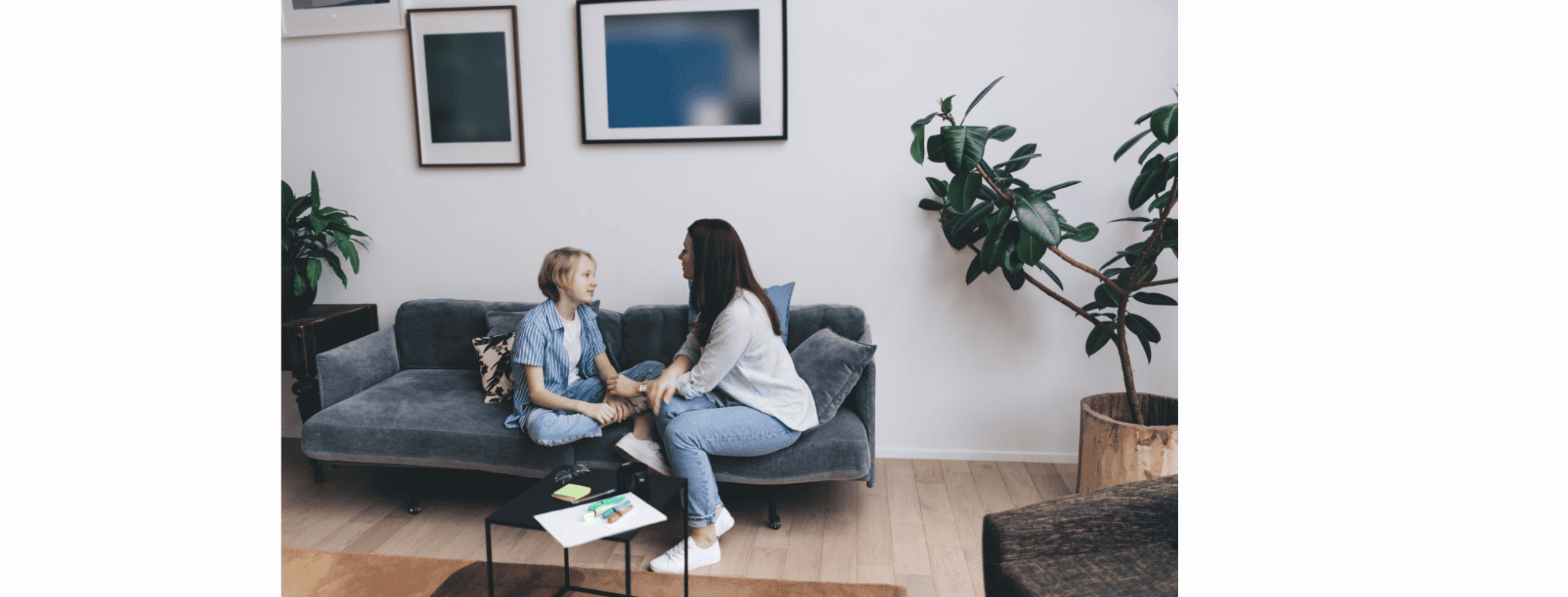
He doesn’t need me to solve anything. He doesn’t need a lecture or a lesson. He needs me to look up, make eye contact and really see him. He needs to know, I’m here. I’m listening. Tell me.
This is where conscious and intentional parenting lives or dies.
It is not in the big conversations. It is not in the perfectly planned family meetings or the carefully chosen parenting strategies from Instagram or Tiktok. It lives in the small, constant moments that happen in the kitchen, in the car, at bedtime, and in those five minutes after school when nobody is asking to be parented. They’re just asking to be heard.
There are three reasons I believe conscious and intentional parenting matters.
1. Your kids deserve to feel respected, not managed.
When we slow down and become intentional about how we interact with our children, they experience something deeper than obedience. They experience respect.
And when children feel respected, they also feel safe and are more likely to communicate what they need. They tell you more. They ask more questions. They share the things that scare them, excite them, embarrass them, and matter to them. The conversations get longer because they trust that the space will hold them.
You don't need to be a perfect parent. You need enough capacity to keep showing up for what they need.
Anastasia Arauz, LCMHC, RPT
2. You deserve to live your life instead of surviving it.
Intentional parenting isn’t about being available every second of every day. In fact, I think that’s an impossible standard that will leave you feeling exhausted and resentful. Being intentional with your kids also means being intentional about yourself. Your time. Your energy. Your work. Your relationships. Your identity outside of being a parent. Because when you are constantly depleted, there is very little left for those small moments that require patience and presence. You don’t need to be a perfect parent. You need enough capacity to keep showing up for what they need.
3. What you model becomes part of their blueprint for the future.
Our children are watching and learning from us, not just listening to what we tell them. They are watching how we handle stress. How we speak to ourselves. How we communicate with our partners. How we set boundaries. How we repair after conflict. How we make time for the people we love. They are learning what relationships look like by experiencing them with us.
That doesn’t mean we have to get it right all the time. It means we have the opportunity to show them what it looks like to notice, repair, try again, and come back to connection. Someday, our children will create families and relationships of their own, and the foundation we give them won’t come from the parenting books we read or the lessons we planned. It will come from the thousands of ordinary moments when they looked at us and learned:
-This is what love feels like.
-This is what being heard feels like.
-This is what it means to be connected.
And sometimes, it starts with something as simple as putting down the phone, closing the laptop, looking up, and saying: Tell me
About the author. Anastasia Arauz is a Parenting Coach, Licensed Therapist, and Educator dedicated to helping moms create a healthy family system and raise emotionally resilient, mentally strong children. With over two decades of experience in education and counseling, she brings a compassionate, grounded approach that empowers parents to lead with clarity, confidence, and joy. Anastasia blends evidence-based strategies with heart-led guidance to support families in thriving—one mindful moment at a time.
Spread the word
Medical Disclaimer: All content found on the HER Health Collective Website was created for informational purposes only and are the opinions of the HER Health Collective experts and professional contributors. The Content is not intended to be a substitute for professional medical advice, diagnosis, or treatment. Always seek the advice of your physician or other qualified health providers with any questions you may have regarding a medical condition. Never disregard professional medical advice or delay in seeking it because of something you have read on this Website. If you think you may have a medical emergency, call your doctor, go to the emergency department, or call 911 immediately.
