
The Power of One Breath: Supporting Your Pelvic Floor from the Inside Out

By Dr. Norah Whitten, PT, DPT
As a pelvic health physical therapist, one of the most powerful tools I teach mothers isn’t an exercise, a stretch, or even a strengthening routine, but it’s the breath.
The way you breathe directly influences your pelvic floor, your nervous system, and how your entire body responds to stress, movement, and recovery, yet most of us move through pregnancy, postpartum, and the demands of motherhood without ever being taught how to use our breath in a way that truly supports us.
If you’ve ever felt ongoing tension in your body, pressure or heaviness in your pelvis, pelvic pain, or a sense that your core can’t quite activate it once did, your breathing patterns may be playing a much larger role than you realize.
Let’s take a closer look at why this matters, and what you can begin practicing today in a simple, supportive way.
The Breath and the Pelvic Floor: A Team You Can’t Separate
Your diaphragm (your primary breathing muscle) and your pelvic floor work as a coordinated system.
When you inhale:
- Your diaphragm gently descends
- Your rib cage expands
- Your pelvic floor naturally lengthens and responds to that pressure change
When you exhale:
- Your diaphragm rises
- Your ribs soften inward
- Your pelvic floor recoils and gently lifts
This isn’t something you have to force, because it’s a reflexive and beautifully designed partnership. But many mothers develop breathing patterns that disrupt this system, especially during pregnancy, after birth, or during times of high stress. Shallow chest breathing, constant abdominal gripping, or breath-holding during lifting can create excess downward pressure on the pelvic floor.
Over time, this may contribute to:
- Pelvic heaviness or pressure
- Leaking with exercise or coughing
- Core weakness
- Urinary and bowel issues
- Back pain
Breath is the foundation that supports everything else we do in pelvic health therapy.
When your breathing is shallow, rapid, or held, your body interprets that as stress. Your sympathetic nervous system becomes more active. Muscles, including the pelvic floor, may stay in a guarded or tense state.
Dr. Norah Whitten, PT, DPT
Your Nervous System is Listening to Every Breath
Your breath is one of the fastest ways to communicate with your nervous system. When you breathe slowly and fully, especially allowing your ribs and abdomen to expand 360 degrees, you stimulate the parasympathetic nervous system, the part responsible for rest, digestion, healing, and regulation.
When your breathing is shallow, rapid, or held, your body interprets that as stress. Your sympathetic nervous system becomes more active. Muscles, including the pelvic floor, may stay in a guarded or tense state.
Many mothers live in a constant low-grade stress response:
- Managing sleep deprivation
- Navigating emotional load
- Balancing family and work responsibilities
- Healing physically while caring for others
If your nervous system never fully downshifts, your pelvic floor may struggle to relax and coordinate effectively. Breathing well is one of the simplest, most accessible ways to support regulation, and regulation supports healing.
The Breath Influences Your Whole Body
Your breath also affects:
- Core Coordination
The diaphragm, deep abdominal muscles, and pelvic floor work together to manage internal pressure. When breathing is restricted or poorly timed with movement, core strength may feel inconsistent or unstable.
- Posture and Tension Patterns
Chronic shallow breathing can lead to rib stiffness, neck tension, jaw clenching, and shoulder tightness. These patterns often connect back to pelvic floor tension and abdominal gripping.
- Pressure Management
Every time you lift your child, push a stroller uphill, carry groceries, or exercise, your body generates internal pressure. Breath timing helps distribute that pressure safely rather than pushing it downward into the pelvic floor.
When breath is integrated well, your body becomes more efficient and resilient.
How to Breathe Better
You don’t need a complicated routine to begin.
Try this gentle practice:
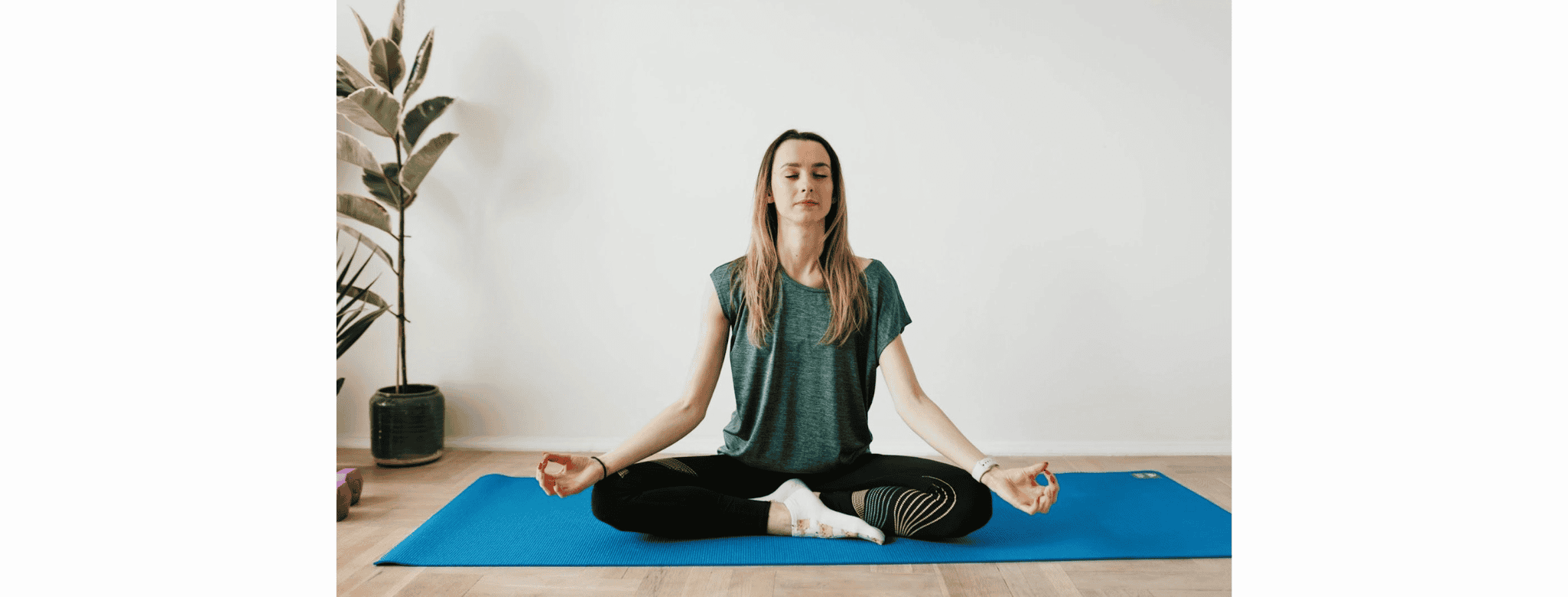
- Sit comfortably or lie on your back with knees supported.
- Place one hand on your rib cage and one on your lower abdomen.
- Inhale slowly through your nose and imagine your ribs expanding outward, sideways, and into your back, not just forward.
- Allow your pelvic floor to soften during the inhale.
- Exhale slowly through your mouth and feel your ribs gently come back in, allowing a natural lift through the pelvic floor without force.
There should be no straining or squeezing.
Start with 5-8 slow breaths. Over time, you can integrate this into daily life, before lifting, during workouts, or when you feel tension rising.
Consistency matters more than intensity.
When to Seek Support
While breathwork is foundational, it’s not always enough on its own.
If you’re experiencing:
- Persistent leaking
- Pelvic pain
- Back or hip pain
- Pain with sex
- Constipation
- A feeling of heaviness or bulging
- Ongoing core weakness
Working with a pelvic health physical therapist can help you assess how your breathing, core, and pelvic floor are coordinating together.
Every mother’s story is different. Your pregnancy history, birth experience, stress load, and movement patterns all shape how your body responds. You deserve individualized care that honors that story.
At Delta Physio, our pelvic health team takes a whole-body approach that looks at breathing, pressure management, nervous system regulation, and movement together, not in isolation. We believe every mother deserves care that honors her unique story and supports her healing in a thoughtful, individualized way.
If you’re ready to better understand your body and feel more supported from the inside out, we’d love to help. Reach out to Delta Physio to book an assessment or learn more about how pelvic health physical therapy can support you in this season.
About the author. Dr. Norah is not only a physical therapist, but also an athlete, coach and mom. Norah grew up a competitive athlete, specifically as a high level gymnast and diver. After sports Norah knew she needed a way to fulfill her competitive outlet and found CrossFit while in PT school. From day one she was hooked. Since starting CrossFit she has developed a passion for functional movement & strength training. This not only influenced her personal life, but her professional role as a movement specialist as well. Norah utilizes the movement patterns and philosophies of functional fitness to get her patients the outcomes they deserve and help them become stronger than they ever thought possible.
Spread the word
Medical Disclaimer: All content found on the HER Health Collective Website was created for informational purposes only and are the opinions of the HER Health Collective experts and professional contributors. The Content is not intended to be a substitute for professional medical advice, diagnosis, or treatment. Always seek the advice of your physician or other qualified health providers with any questions you may have regarding a medical condition. Never disregard professional medical advice or delay in seeking it because of something you have read on this Website. If you think you may have a medical emergency, call your doctor, go to the emergency department, or call 911 immediately.