
Understanding Sensory Seeking in Young Children

By Dr. Carrie Anne Dittner
If your child seems to be always on the move—jumping off furniture, spinning in circles, chewing their shirt, or touching everything in sight—you’re not alone. These behaviors can feel confusing or even concerning to parents, but they often have an important purpose. What looks like “hyper” or “wild” behavior is usually your child’s body communicating a need.
This article aims to provide some information about child development that can help parents avoid saying “stop that!” all the time.
A Developing Nervous System
Children’s nervous systems are still developing. Some children are naturally more sensitive to sensory input, while others crave more of it to feel balanced and alert. When a child seeks extra movement, pressure, sound, or touch, their body is looking for the right kind of stimulation to regulate.
Sometimes it’s easy to regulate: get a drink of water when you are thirsty or put on a jacket when your body is cold. For adults, we use other sensory input, a cup of coffee in the morning, or taking a walk when we feel overwhelmed. In other words, children (like us) are trying to find their “just right” state — calm enough to focus, but alert enough to engage.
What looks like “hyper” or “wild” behavior is usually your child’s body communicating a need.
Dr. Carrie Dittner
Sensory & Motor Systems
Our sensory and motor systems form the foundation for learning, attention, and emotional regulation. Before a child can use reasoning or problem-solving (“top-down” skills), their body needs to feel safe and organized (“bottom-up” regulation). Play is one of the most effective and natural ways to build this foundation.
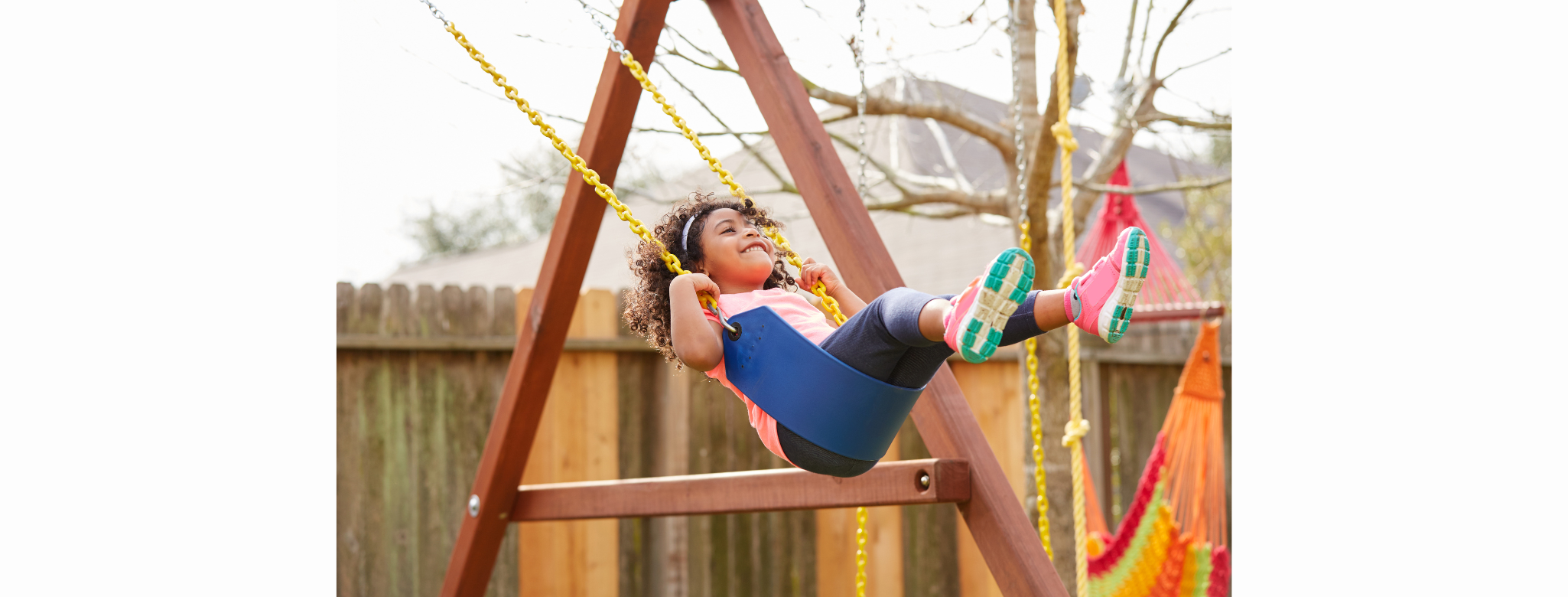
Activities like swinging, drumming, marching, yoga, or squeezing playdough provide sensory input that helps children feel grounded. Rhythm, movement, and touch activate the vagus nerve — a key connector between brain and body — helping children transition from “fight or flight” to “rest and connect.”
Ways to Support Your Sensory-Seeking Child
Here are some ways that parents can support their sensory-seeking child by offering safe, structured sensory opportunities:
- Movement: pushing a laundry basket, jumping on a mini trampoline, or doing “animal walks” – these can be fun things like act like a “penquin” to promote up –regulation to help kids get moving, or act like a “sloth” for down regulation to help kids slow down.
- Touch and pressure: big bear hugs (with permission), playdough, or wall push-ups.
- Oral input: crunchy snacks, drinking through a straw, or safe chew tools.
- Rhythm and sound: clapping games, drumming, or listening to music with a steady beat.
Connection, Not Corrections
When children have reliable ways to get the input they need, their nervous systems learn to regulate. They begin to rely less on impulsive movement and more on intentional coping. Bonus – these types of activities also help with transitions (i.e., “it’s time to get in the car, let’s march,” or playing music and dance to clean up).
Most importantly, remember: connection, not correction. When we understand the “why” behind behavior, we can respond with empathy and calm instead of frustration. Sensory-seeking is not about defiance — it’s about development. By staying close, calm, and curious, we help children build the body-brain connection they need to thrive.
About the author. Dr. Carrie Anne Dittner is the Founder of Peak City Psychology. She is a native of Upstate New York and graduated Binghamton University with Honors in Psychology. For the past 20 years, Dr. Dittner has provided comprehensive psychological assessments, therapeutic interventions, and support to children, adolescents and families. Her clinical expertise includes working with children and families navigating anxiety, ADHD, life transitions and chronic illness. She has specific expertise in parenting stress and helping parents navigate parenting through various developmental stages.
Spread the word
Medical Disclaimer: All content found on the HER Health Collective Website was created for informational purposes only and are the opinions of the HER Health Collective experts and professional contributors. The Content is not intended to be a substitute for professional medical advice, diagnosis, or treatment. Always seek the advice of your physician or other qualified health providers with any questions you may have regarding a medical condition. Never disregard professional medical advice or delay in seeking it because of something you have read on this Website. If you think you may have a medical emergency, call your doctor, go to the emergency department, or call 911 immediately.