
Why HIIT Training Is a Game-Changer for Moms
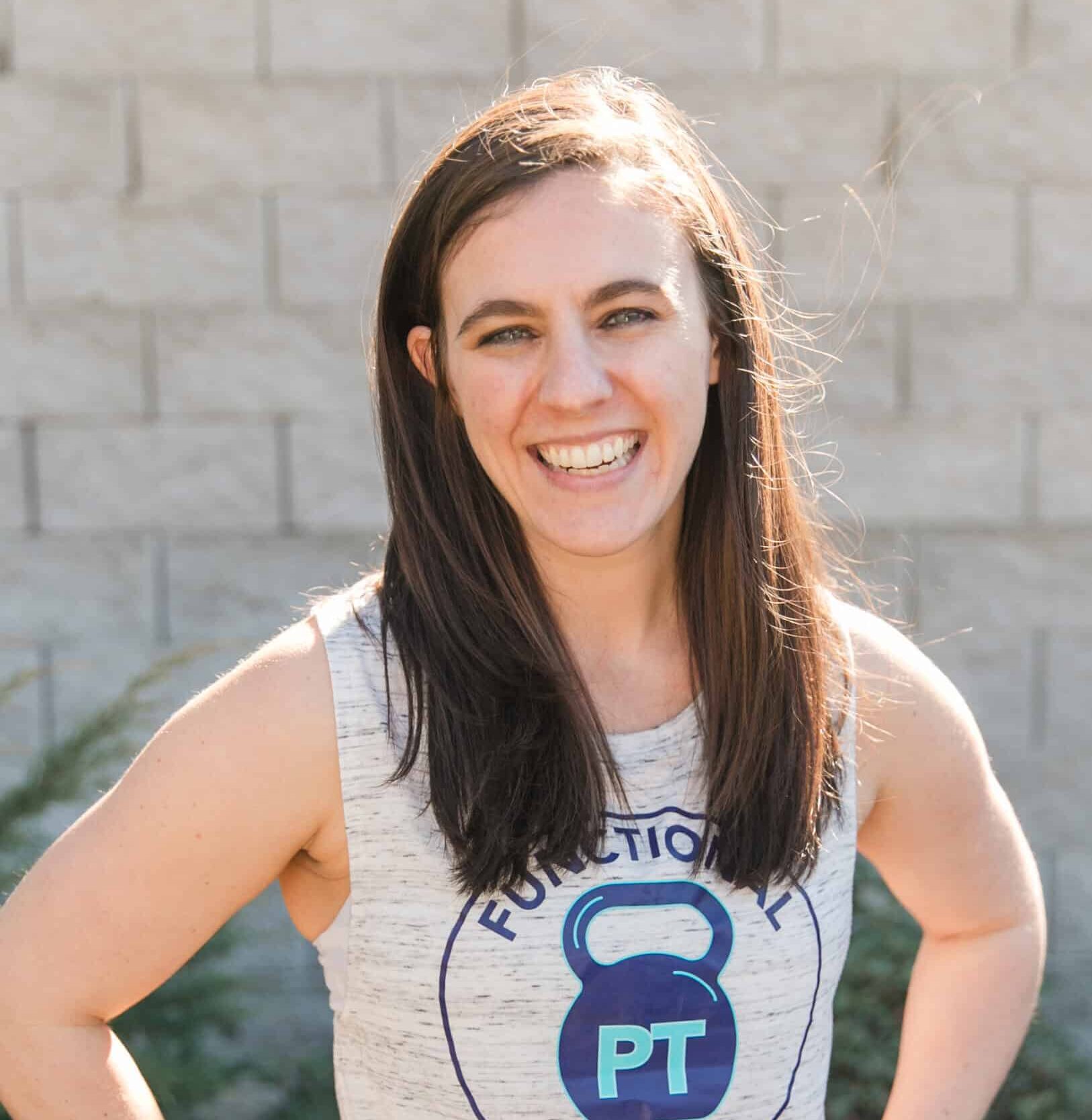
By Norah Whitten, DPT
Motherhood is busy, demanding, and full of constant transitions. The days feel full even when the to-do list isn’t finished, and the idea of squeezing in exercise can feel like just one more thing to manage. But what if the workout didn’t require an hour, mental gymnastics of figuring out childcare, a gym membership, or a full mental warm-up to make it worth it?
Enter HIIT: High-Intensity Interval Training. Short bursts of effort, followed by short periods of rest or lower intensity movement. Most workouts are 10–30 minutes, can be done at home, and can be adjusted for any fitness level or season of motherhood.
HIIT is efficient, effective, and supportive of both physical and mental health — especially for moms who need a workout that respects their energy, their schedule, and their long-term wellbeing.
This article will break down what makes HIIT so beneficial, how it supports both brain and body health, how to safely approach it postpartum, and why it’s not just a fitness trend — it’s a tool for lifelong resilience.
Why Time-Efficient Exercise Matters for Moms
The biggest barrier to exercise for most moms? Time — and not just in the literal sense. It’s the planning, the childcare, the transition time, the energy it takes to even start.
HIIT removes most of those barriers. A 20-minute HIIT workout can produce many of the same cardiovascular and metabolic benefits as a 45–60 minute steady-state workout. That means:
- More calories burned in less time
- Improved metabolism and fat-burning even after the workout (the “afterburn effect”)
- No need for machines, long programming, or travel time
- Ability to fit in exercise during nap time, between meetings, or in the backyard while kids play
Short doesn’t mean easy. Short means possible.
The Brain Benefits: HIIT as Mental Health Support
Yes, HIIT builds strength and endurance — but one of the most powerful effects is actually on the brain.
High-intensity exercise triggers the release of neurotransmitters like dopamine, serotonin, norepinephrine, and endorphins — all of which support mood, focus, and emotional regulation. This is why many women say exercise “clears their head,” “boosts their mood,” or “helps them feel like themselves again.”
Research also shows that HIIT increases BDNF (Brain-Derived Neurotrophic Factor) — a protein that supports memory, learning, and overall brain health. Higher BDNF = better cognitive function and better emotional resilience.
What this means for motherhood:
- Better focus and patience
- Lower stress and anxiety
- More energy throughout the day
- Improved sleep, which further improves brain function
- A sense of personal accomplishment outside of caregiving tasks
HIIT isn’t just physical training — it’s emotional and neurological support.
Short doesn’t mean easy. Short means possible.
Dr. Norah Whitten
Cardiovascular Fitness for Daily Mom Life
Motherhood requires strength and stamina, whether you’re:
- Carrying a 25 lb toddler and a car seat at the same time
- Power-walking through Target before naptime ends
- Playing tag at the park
- Lifting groceries, backpacks, strollers, laundry baskets
HIIT improves:
- Heart and lung capacity
- VO₂ max (your body’s ability to use oxygen efficiently)
- Strength and endurance for real-life tasks
- Blood pressure and long-term heart health
Being fit is not about “getting back to your old body.” It’s about supporting the body you need now — the one that moves, lifts, chases, and models health for little humans who are watching.
HIIT, Hormones, and Metabolic Health
Women’s bodies respond differently to exercise than men’s bodies. HIIT has been shown to support hormone balance and metabolism in ways that are especially helpful in postpartum, perimenopause, and beyond.
Benefits include:
- Improved insulin sensitivity (important for long-term metabolic health)
- Reduced cortisol when balanced with adequate rest
- Improved fat-burning efficiency without long-duration cardio
- Increased lean muscle mass, which protects bones and boosts metabolism
Long, intense cardio sessions can sometimes stress the system — especially if a mom is already in a high-cortisol, low-sleep season. HIIT provides benefits without requiring long recovery time, as long as frequency and intensity are appropriate.
Pelvic Floor & Postpartum Considerations
HIIT can be safe and beneficial postpartum — but it has to match the readiness of the body, not the pressure of “bouncing back.”
Signs your pelvic floor may not be ready for high-intensity exercise:
- Leaking urine with jumping, sneezing, or fast movement
- Pelvic heaviness or dragging sensation during or after exercise
- Abdominal coning or doming with core exercises
- Pain in the low back, pelvis, or hips
- Feeling like your core “can’t support you” during movement
These symptoms are not a sign you should never do HIIT — they’re a sign you need a modified approach first.
A pelvic floor-informed return to HIIT includes:
- Starting with low-impact intervals (marches, step jacks, incline walking, etc.)
- Building core and pelvic floor coordination before adding plyometrics
- Choosing intervals based on breath control, not exhaustion
- Working with a pelvic floor therapist if symptoms show up
HIIT is a tool — not a requirement, and not a test of fitness worth “pushing through.”

HIIT Supports Identity, Confidence, and Autonomy
Many moms report that exercise helps them feel more like themselves, not just “the mom version” of themselves.
HIIT offers:
- A sense of completion in a life full of unfinished tasks
- A measurable way to feel strong, powerful, and capable
- A reminder that their body is not just functional — it is adaptable
- An emotional outlet that isn’t multitasked with caregiving
- A visible way to model healthy behavior for children
Movement doesn’t just change the body. It changes the narrative women hold about their bodies.
Where to Start: A Simple Entry Point
If HIIT feels overwhelming, remember it can be as simple as:
30 seconds of movement
15–30 seconds of rest
Repeat 8–12 times
Examples:
- March in place fast
- Squats
- Modified push-ups
- Step-backs or lunges
- Light kettlebell swings or dumbbell presses
- Mountain climbers on a counter instead of the floor
Intensity is relative. Your “hard” is enough.
Final Thoughts
HIIT is not about punishment, performance, or perfection. It’s about support — brain support, heart support, pelvic support, identity support.
For moms, HIIT offers:
- A realistic way to stay active
- A boost in mental clarity, mood, and energy
- Cardiovascular strength for everyday life
- Hormonal and metabolic benefits across lifespan
- A way to feel strong, capable, and connected to your body again
Movement should feel like a resource, not another demand. HIIT makes that possible.
If you are looking for support in creating exercise routines, overcoming pelvic floor issues so you can get back to the gym or just ready to have guidance in feeling like yourself again, contact Functional Phyzio to get started.
About Dr. Norah Whitten. Dr. Norah is not only a physical therapist, but also an athlete, coach and mom. Norah utilizes the movement patterns and philosophies of functional fitness to get her patients the outcomes they deserve and help them become stronger than they ever thought possible. Dr. Norah attended the University of Illinois for her undergraduate work and Duke University for her Doctor of Physical Therapy. Since graduating from school Norah has specialized in working with an active population. She specifically got interested in treating the pelvic floor after noticing a gap in care for active pregnant & postpartum women.
Spread the word
Medical Disclaimer: All content found on the HER Health Collective Website was created for informational purposes only and are the opinions of the HER Health Collective experts and professional contributors. The Content is not intended to be a substitute for professional medical advice, diagnosis, or treatment. Always seek the advice of your physician or other qualified health providers with any questions you may have regarding a medical condition. Never disregard professional medical advice or delay in seeking it because of something you have read on this Website. If you think you may have a medical emergency, call your doctor, go to the emergency department, or call 911 immediately.