Show Notes:
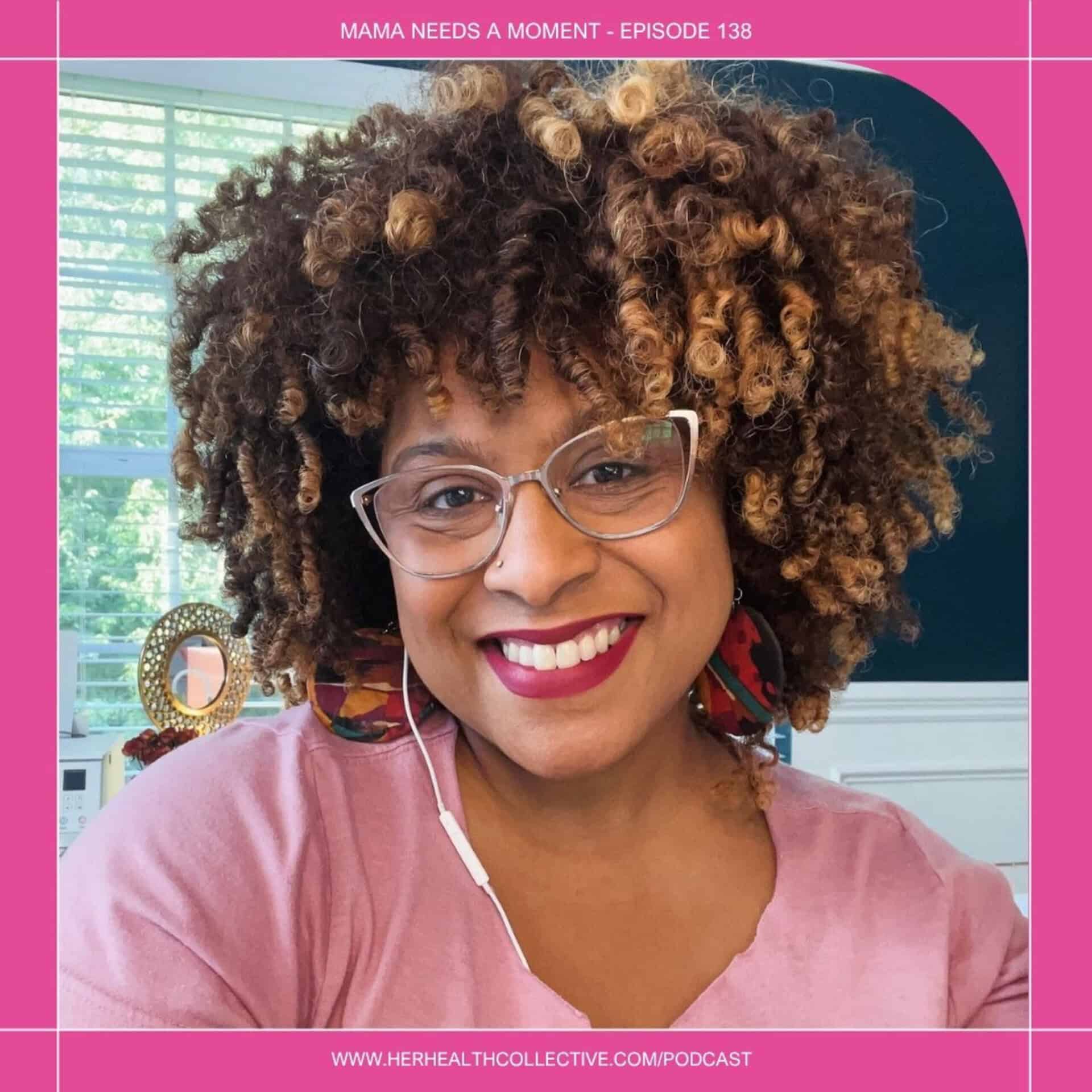
If you’re trying to keep your blood sugar steady—whether you’re managing a diagnosis or just want to feel better throughout the day—thIf you’ve ever felt like you’re doing “everything right” but still not feeling good in your body, this episode is for you.In this episode, Dr. Lisa Folden—a licensed physical therapist and lifestyle coach—joins us to unpack the $60 billion diet culture industry and offer a radically refreshing alternative.
Dr. Folden introduces us to the transformative concept of Health at Every Size and explains why weight is not a reliable indicator of health. She shares powerful tools for breaking free from diet culture’s grip, including intuitive eating, joyful movement, and replacing negative self-talk with affirming beliefs.
We talk about what it means to truly listen to your body, why some people feel out of control around food (hint: it’s not a lack of willpower), and how mental and emotional well-being are essential parts of health. Whether you’re new to this conversation or deep into your body acceptance journey, this episode is a must-listen.
Top 3 Things You’ll Learn in This Episode:
- Why weight isn’t a true measure of health
Learn how the Health at Every Size approach focuses on habits and well-being, not appearance. - How to eat and move in ways that feel good
Discover how intuitive eating and joyful movement can help you ditch guilt and build sustainable habits. - How to stop negative self-talk and trust your body
Get tools to replace shame with self-compassion and reconnect with your body’s natural signals.
Episode Notes and Resources:
Dr. Lisa Folden’s Website: https://www.healthyphit.com/
- Connect with Dr. Folden on Instagram and Facebook at @healthyphit
Support Mama Needs a Moment! Become a patron through our Mama Needs a Moment Patreon.HER Circle – https://www.herhealthcollective.com/membership
Transcript:
Crissy
Dr Lisa Folden is a licensed physical therapist and mom focused lifestyle coach, the owner of healthy, fit physical therapy and wellness consultants in Charlotte, North Carolina. Dr folden works with clients recovering from orthopedic and neurological injuries. Additionally, she assists busy moms seeking a healthier lifestyle. She helps guide their food, exercise and wellness choices through optimal organization, planning strategies and holistic goal setting. In today’s episode, Dr Folden dives into navigating through diet culture and learning to embrace your body. Let’s dive in! Various sources, price the diet culture industry at different amounts. The most recent number we found was that diet culture is a $60 billion industry, billion with a, b, yeah, that’s a huge amount of influence. It infiltrates every aspect of our culture. When you are working with your clients and you’re coaching moms, we can only assume that you have to do a lot of work to fix those cognitive distortions that diet culture has caused. What are your methods for adjusting those damaging thought patterns while still providing you know pertinent health information and helping them find a way to exercise that feels good for their body, basically just getting them to a place where they feel balanced in their life, in the midst of the diet culture that is all consuming in our society,
Dr. Lisa Folden
Absolutely! So it’s it’s a multi faceted. It’s a lot of different things. The first part is introducing them to the idea, because that’s a real tough thing for people to digest, that their weight isn’t an issue. Like, I’m still to this day. This morning, someone messaged my most recent post on Instagram and said, I said, the health of my body cannot be determined by my weight. And someone this morning was like, let’s not say that weight related diabetes is a problem. Weight related respiratory and so I literally, you have to constantly defend this, this stance and this understanding that, like, what you’re saying actually doesn’t have scientific, factual data. You’re You’re mistaking relation for causation. Like, yes, there may be a person in a large body who has, you know, worse health numbers, and maybe they are less healthy, that person is one, not less deserving of respect or love. Let’s just put that part out there. And two is really not your business, but you can’t look at someone’s outward appearance and determine if they are healthy or if they are not. You just don’t know that. So anyway, that the process of unlearning is so hard, but that’s where it starts. It starts. It starts with introducing them to this concept and this understanding of Health at Every Size. I often refer them to the book themselves. You can literally rent it through the library for free and do it as an audio book or on your tablet, like, you know, the Kindle, whatever. So I introduce them to the book. I talk to them about, you know, introduce them to the science and understanding the statistics behind weight loss and its effectiveness and how it doesn’t determine your actual health. And then we start to normalize their experiences by showing them other people who’ve been through the same things, you know, as it relates to, you know, weight. And then I want them to it’s different for everyone. Some people, we toss the scale, you know. Some people, the scale brings up this anxiety that is just not good. We get rid of it. Some people can keep the scale because it’s great for just, you know, normative information, just data, but it’s not a big deal. And depending upon where you are mentally with that, you can, you can manage it. I tell people to, like, stop limiting themselves. So stop, you know, hiding certain snacks or food from yourself, open yourself up to experiencing what you like and really think about, like, find out if you like it. Sometimes it’s just a dessert and we just want something because we’ve been restricting ourselves so long, and it’s like, no, actually try it and see if you like it. If you actually like it, great. But maybe you don’t, or maybe it really upsets your stomach, so you like it, but then you got to think, is it worth the stomach upset today? Some days you’re going to go for it, some days you aren’t, and that’s totally fine too. So just reaffirming that you can trust your body and you can trust your sensations, understanding the importance of eating intuitively or mindfully and then finding ways to exercise that actually bring you joy, because this idea of forcing yourself through a boot camp or someone’s yelling in your ear telling you you’re disgusting, or where you’re you know, just feeling fat shamed and feeling uncomfortable and not liking the environment, that’s not sustainable. You want to find something that you enjoy, if that’s dance, if it’s running, if it’s skating, if it’s swimming, whatever it is, you need to stick to that and find a few different options, because doing things you hate is going to be unsustainable and not really feed into your mental health. And our health is far beyond just our physical being. We’re more than a body. So there’s more. There’s more to us. So yeah, you know, just facing your fears and getting over the guilt and trusting your body, you know, and doing the things that intuitively feel good to you, because there’s nothing wrong with them.
Cindi
You mentioned. And going in and perhaps trying something that you’ve been restricting yourself on. What happens if a mom or a woman looks at you and says, girl, I have no shut off switch. What do you say to that?
Dr. Lisa Folden
I say that we believe what we think and what we repeat. So if that is your position, it may be because you’ve been saying it to yourself for so long. So let’s replace that statement with a different type of affirmation. And it might be, I can trust my body. I can trust my body’s hunger signals. I can trust my body’s fullness signals, and just see, and sometimes it requires you to slow down. I know we’re a GO, GO society, so we, you know, shovel our lunch in before the next client. But slow down. Like, eat slowly and see, like, Do you like it? Does it taste good? How do you feel when you’re eating it? How do you feel afterwards? And then make some decisions based on that, not based on, you know, some arbitrary, you know, diet person on TV telling you how much you should have for your body. You know, because it doesn’t even make sense. Like our bodies are innately able to do this itself. We just we shut it down, and we tell ourselves things like, I can’t stop it. I’m addicted to sugar. I’m a dick. And it’s like, no, you’re probably not. You’ve just been restricting it so long that it seems like you got to have it.
Crissy
Dr Folden, it’s such a joy to talk to you. As always, we’re so grateful for your time. And as I said before, your your energy, your knowledge, your passion, your heart, you are such, such a bright spot and in our world, and for moms everywhere and on Instagram, follow Dr folden on Instagram, she’s a joy. She posts some great stuff.
Dr. Lisa Folden
Thank you. The feeling is mutual. I appreciate you both.