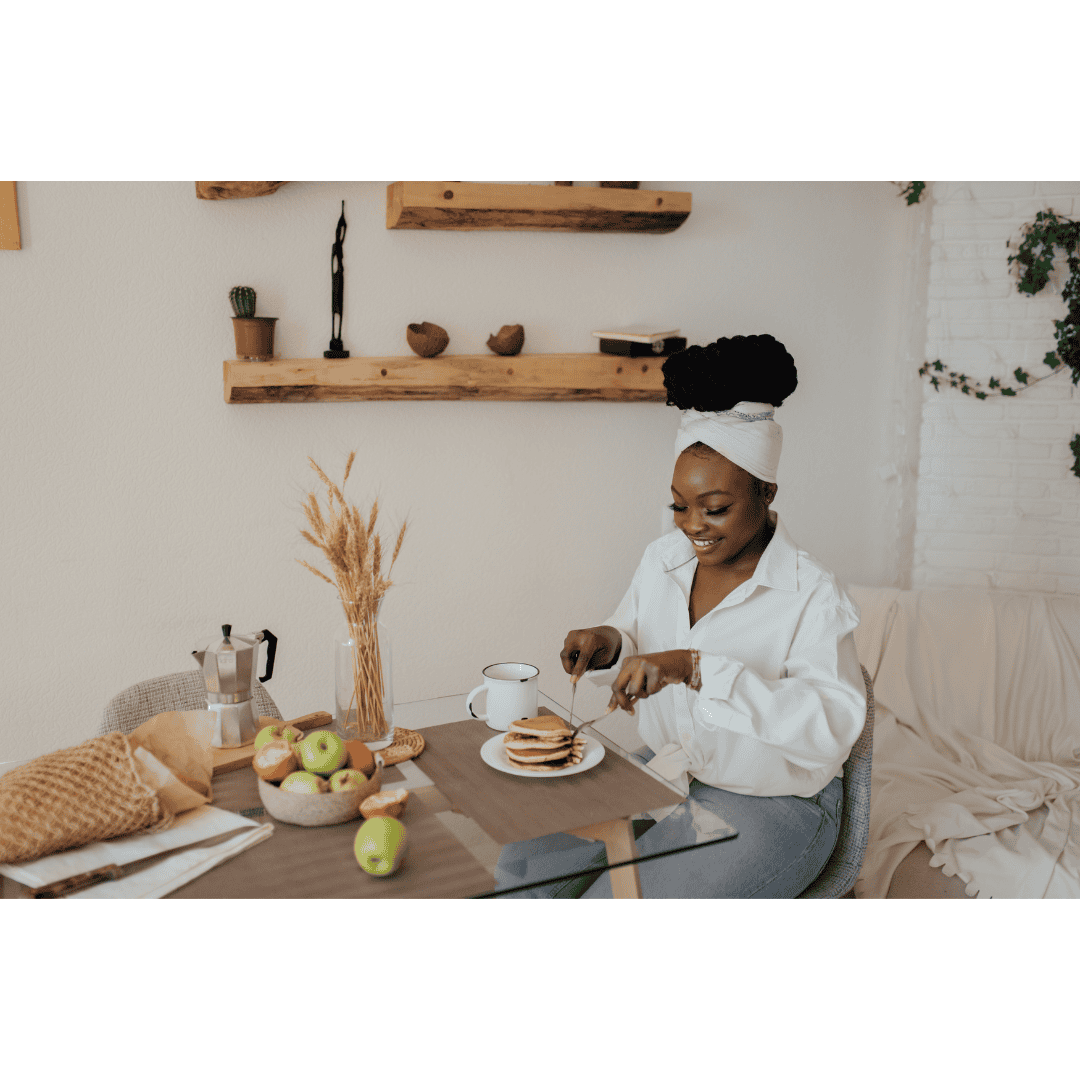
Why Your Body Feels Different After Babies—and Again in Perimenopause
How hormonal shifts, inflammation, and nutrition connect from pregnancy through midlife—and why eating better doesn’t have to mean another restrictive diet
How hormonal shifts, inflammation, and nutrition connect from pregnancy through midlife—and why eating better doesn’t have to mean another restrictive diet

You don’t have to be a perfect parent to raise resilient children. You simply have to keep showing up, keep having the conversations, and keep modeling the kind of life you hope they’ll one day choose for themselves.

The moments we usually treat as disruptions to our routine are actually the best opportunities to build one. Transitions are disorienting by nature. A ritual, even a two minute one, gives you something solid to stand on while everything else is shifting around you.
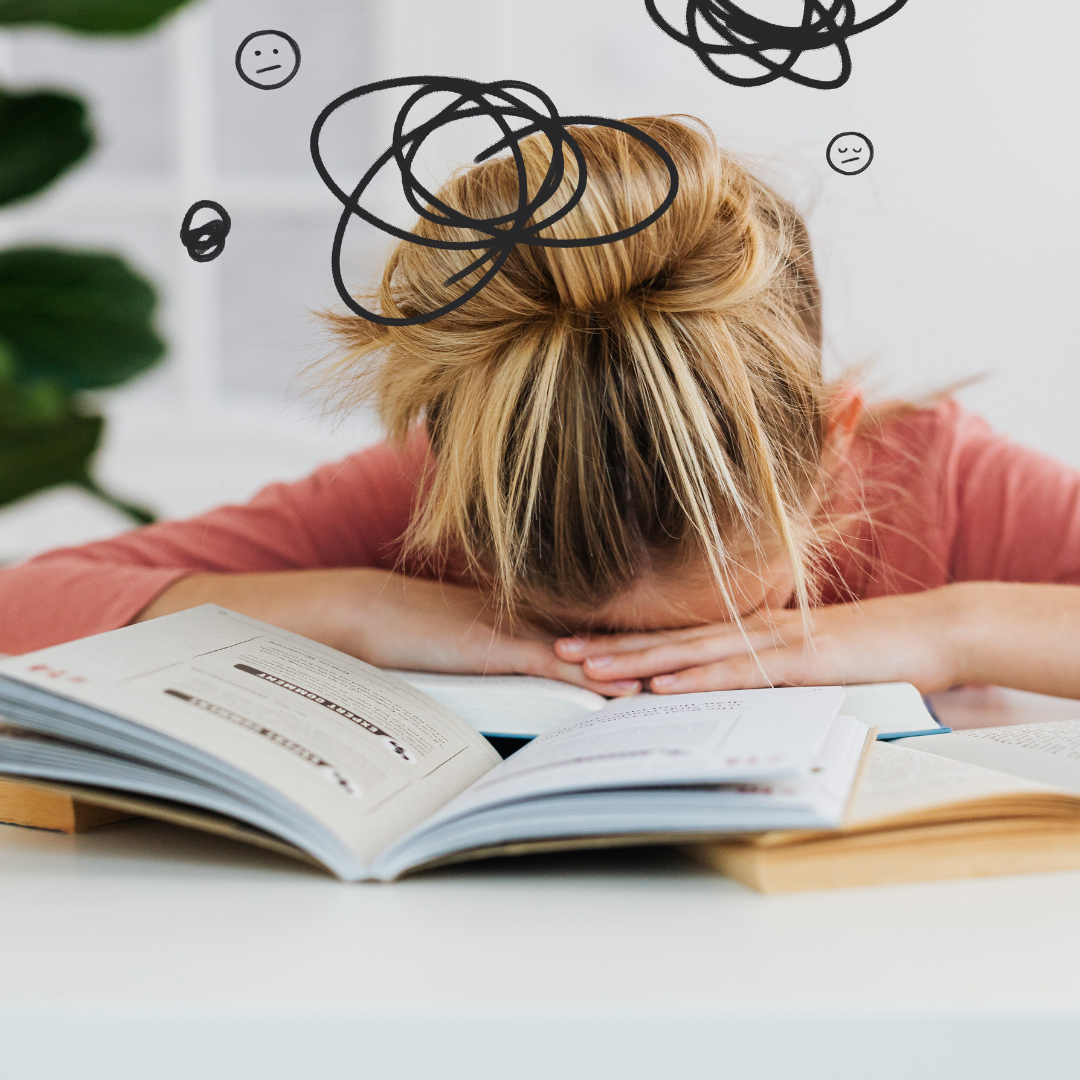
Whether it is anxiety, defiance, shutdown, aggression, or avoidance, the layer underneath a lot of the back-to-school transition is rooted in the nervous system.

As much as we want updated photos, the mental load of choosing a style, booking a photographer, and actually making it happen can feel daunting when your plate is already full. Let’s find the one that fits your family’s vibe so you can check this off your list and move on to the rest of your to-dos!
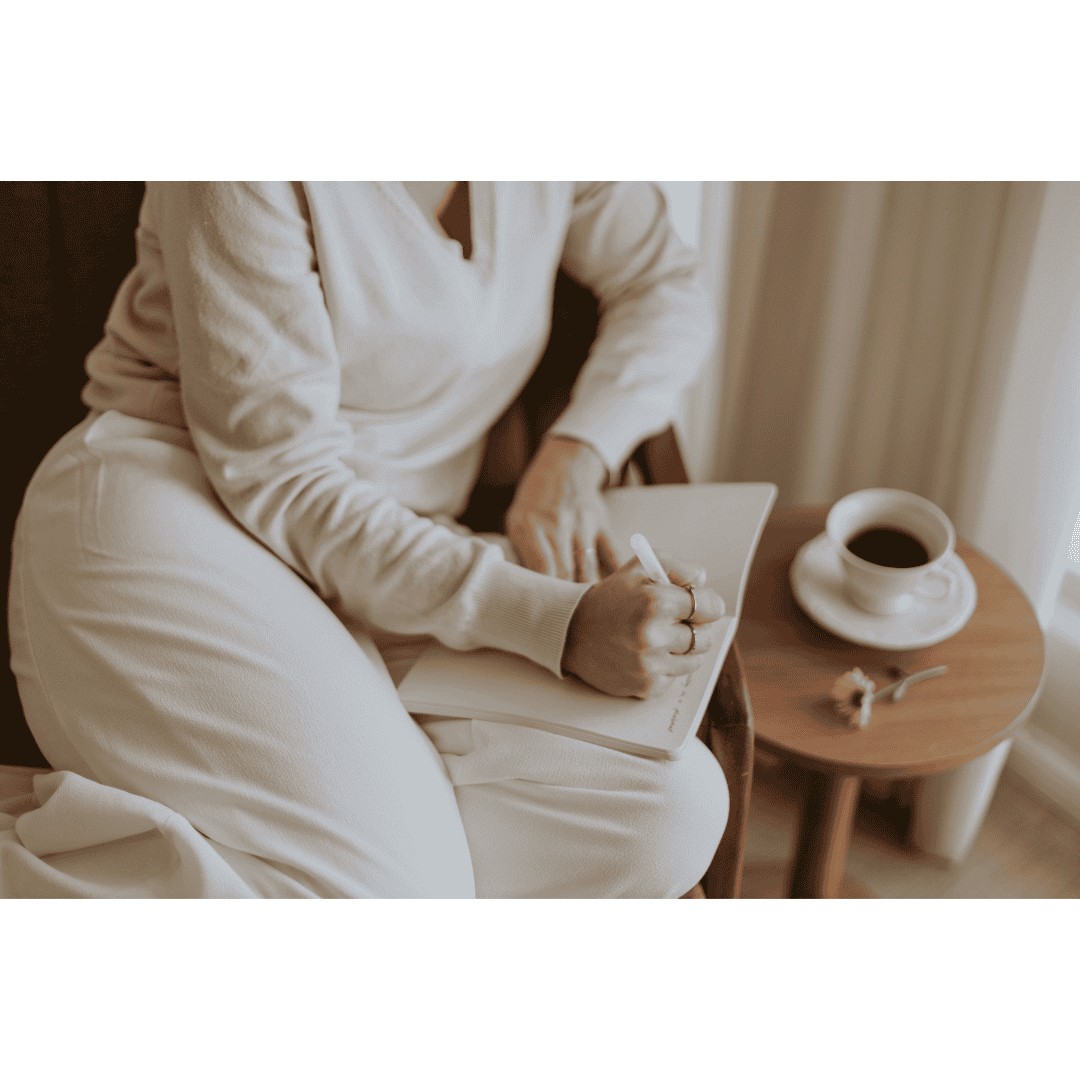
When we start to pull apart the differences between feeling safe and feeling stuck, we deepen the understanding we have of ourselves, our habits, and the motivations living underneath those habits.

One of the biggest misconceptions about picky eating is that it’s caused by how the parent has fed their child. In reality, children come into the world with different temperaments, sensory preferences, and appetites.

Many mothers are running on empty, and the constant pressure is stealing their peace. The good news? Calm and joy are accessible through intentional mindset shifts.
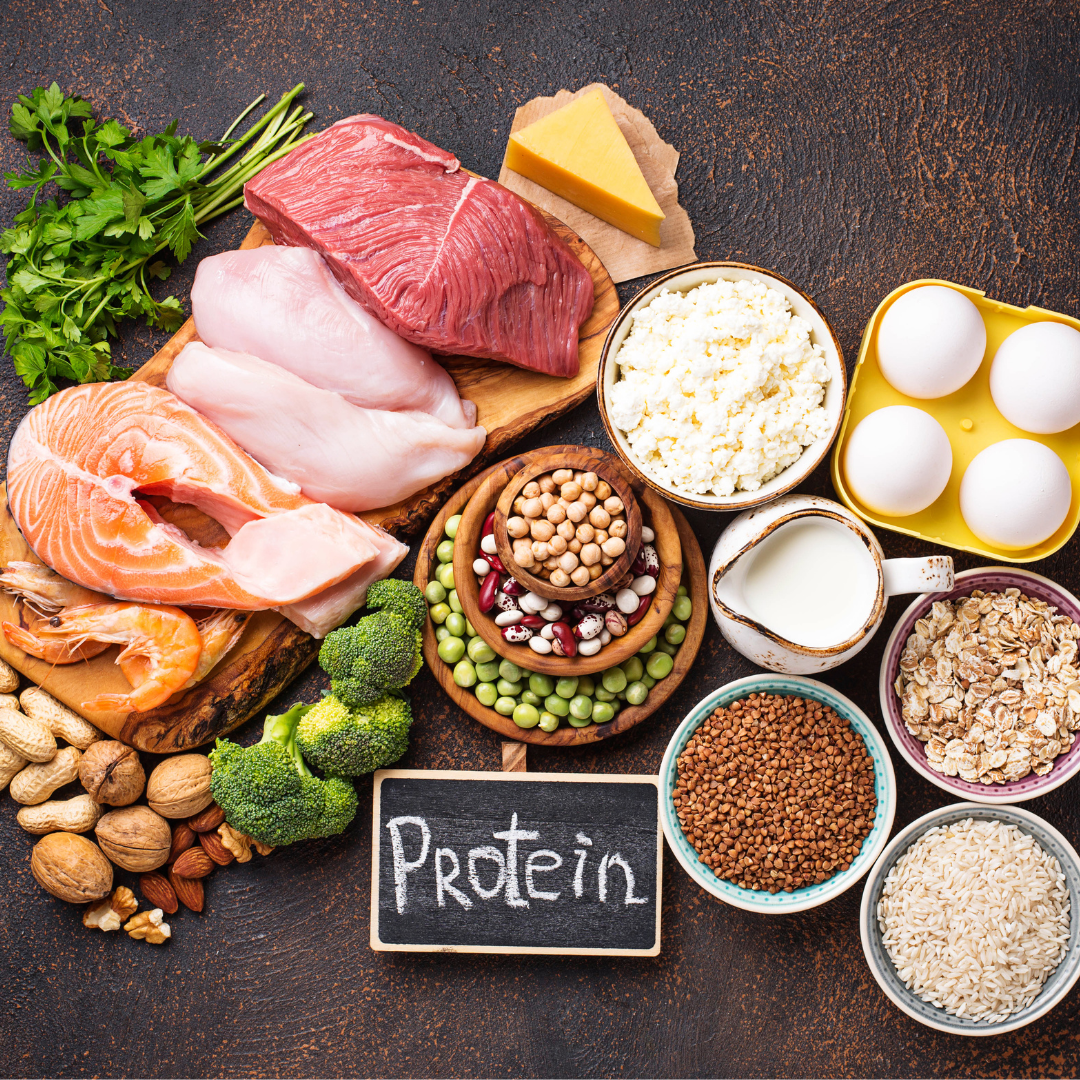
Most moms run on coffee, leftover chicken nuggets, handfuls of snacks while packing lunches, and meals built around convenience instead of nourishment. Starting your day with protein often helps reduce energy crashes and cravings later on.

This is the conversation we weren’t prepared for. We were taught about the “Big M” (Menopause) as something that happens to “old women.” We weren’t told that in our late 30s and 40s—while we are at the peak of our careers and the height of our parenting demands—our biology would begin a seismic shift.
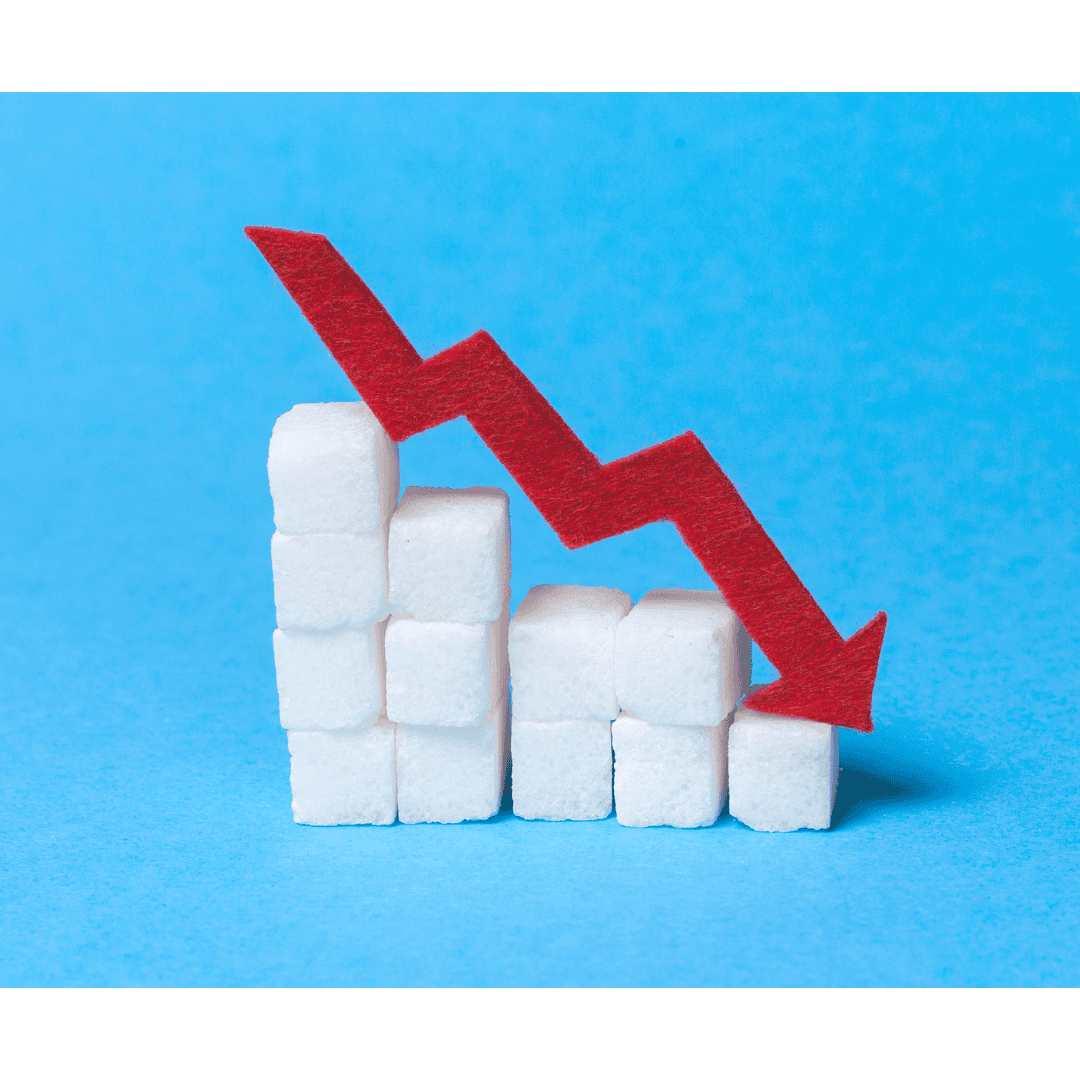
Blood sugar balance isn’t about being perfect with food. It’s about understanding how your body works and giving it what it needs to function the way it’s designed to. And for women especially, that means looking at the full picture: hormones, sleep, stress, movement, and yes, what’s on your plate.
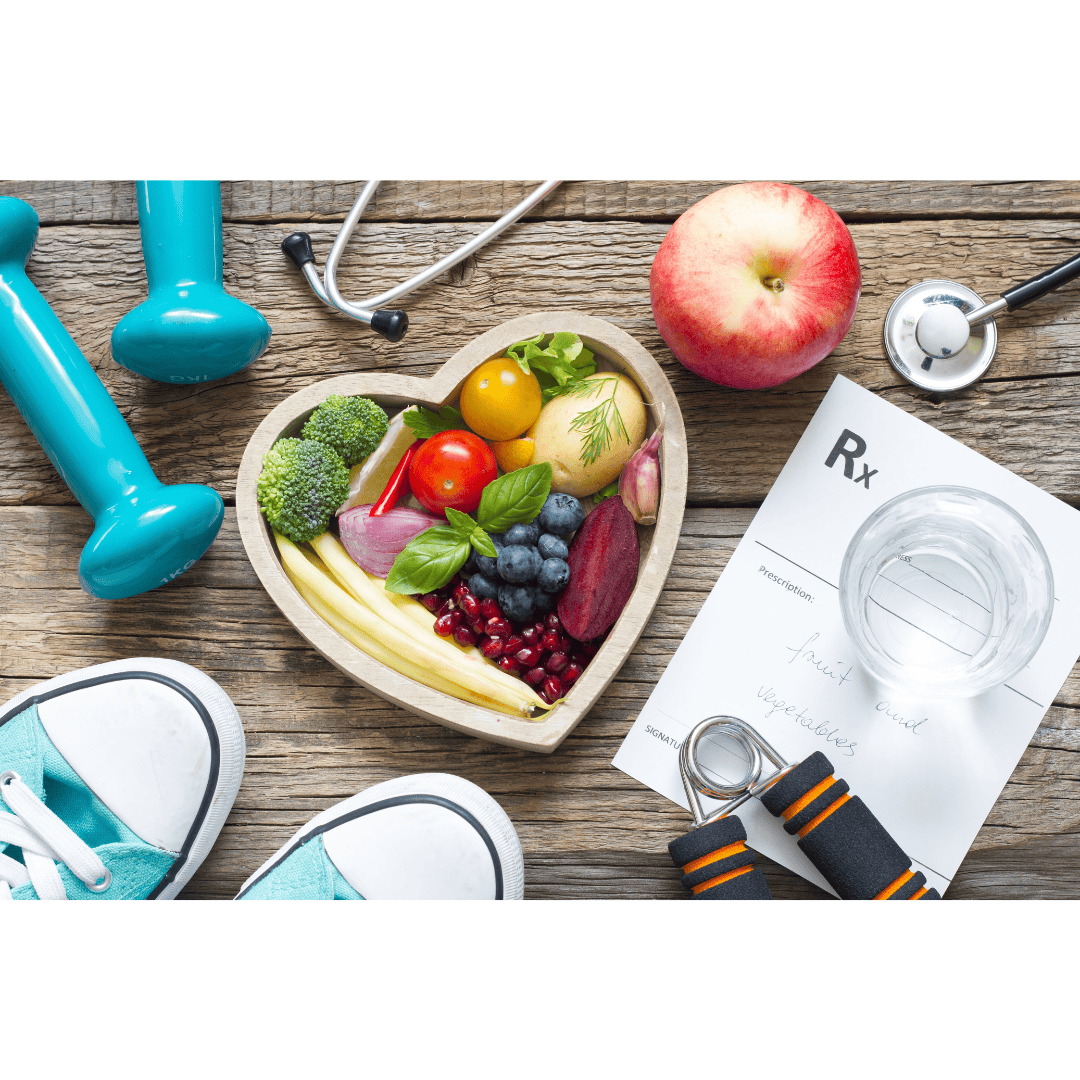
Top things women can do to stay strong, independent, and genuinely well — not just in midlife, but for the decades that follow.

Sometimes what women need most is education. Sometimes it’s medical treatment. Sometimes it’s simply hearing, “You’re not emotional. This is real. And you don’t have to navigate it alone.”
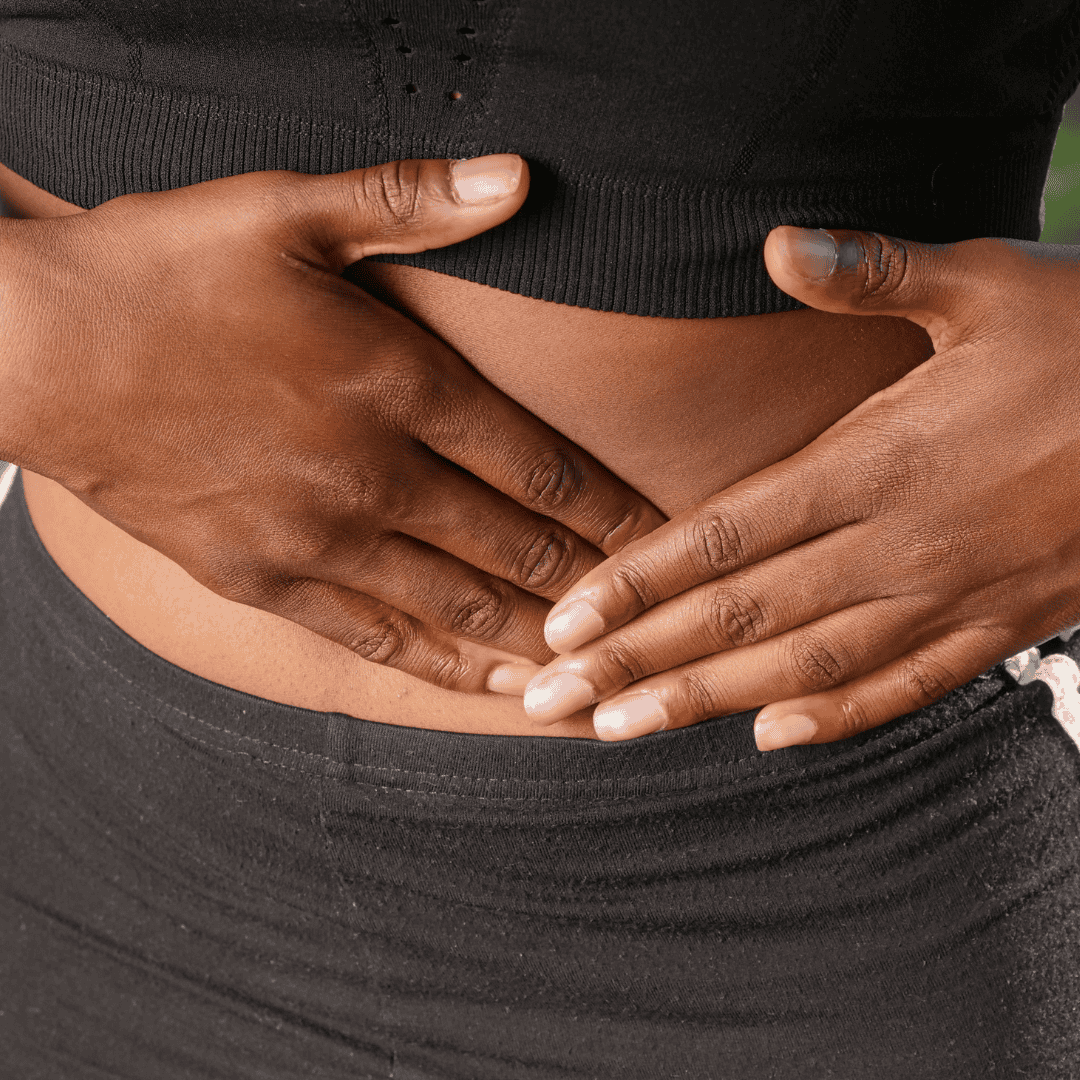
True core strength is the coordinated engagement of all core muscles working together with your breath and pelvic floor, activating evenly and at the right time in response to movement.
So many people believe core work is simply about bracing and squeezing the abs as hard as possible. In reality, the core muscles are designed to help us stabilize and react to the demands of everyday movement.

As parents, we are always taught that sacrifice is part of the job description, but paying attention to sensory processing is not something that only applies to children. Every single one of us has a nervous system with preferences, tolerances, and limits.
Navigating The End Of The School Year Jitters By Nicole J. Wallace, LCMHC-QS, NCC, CCMHC If you feel your pulse quicken every time you look
When women consistently reinvest just 2% of their day into their physical and emotional wellbeing, something powerful happens. Energy improves. Reactivity decreases. Confidence rebuilds. It’s not dramatic. It’s steady.

When people come together as a family, they bring with them memories, old wounds, and patterns from past family systems—some supportive, some not.
As parents, we set the tone in our homes and shape the family system we live in every day.
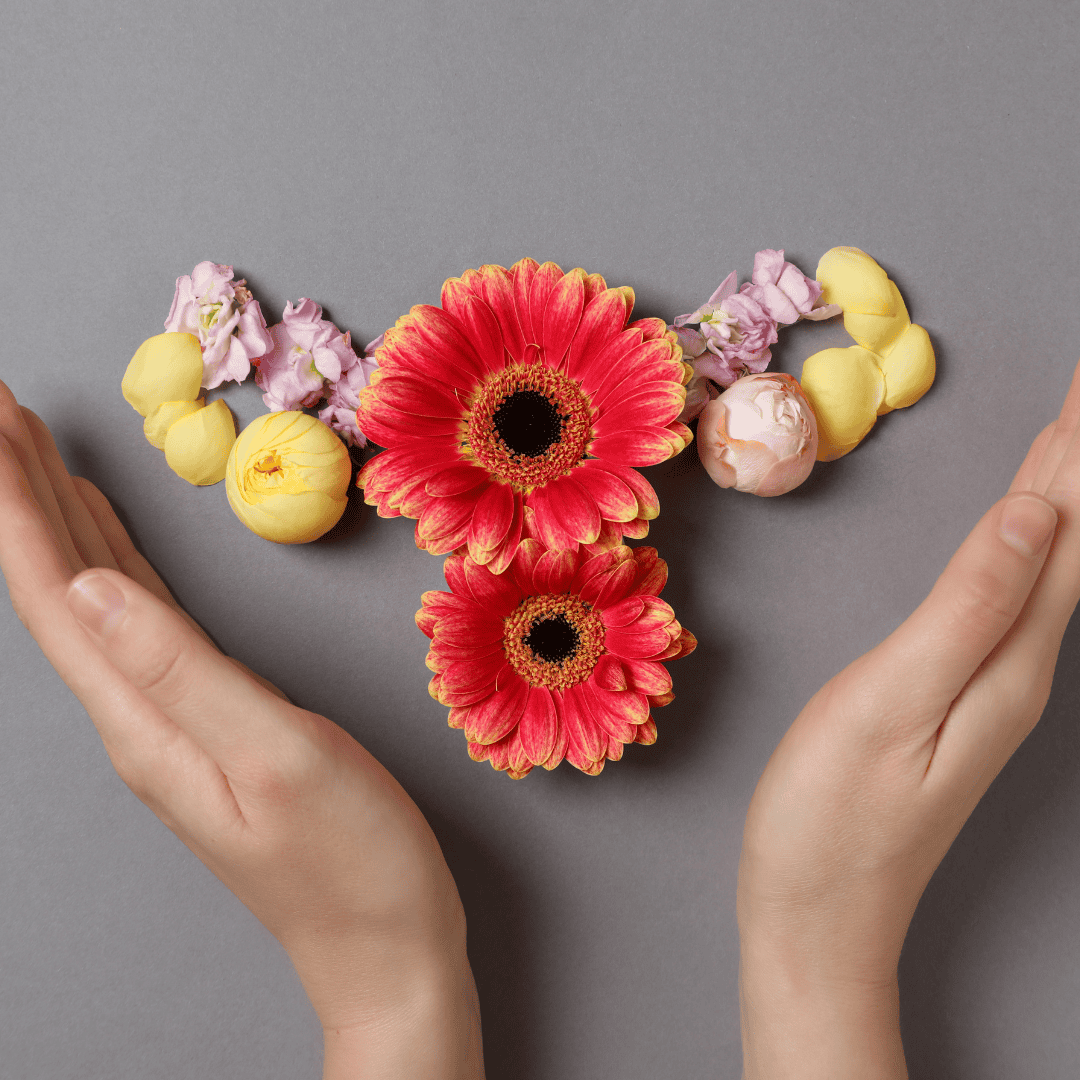
Women’s health education doesn’t stop at puberty. Your body keeps changing, hormones, cycles, fertility, and menopause, and most of us were never actually taught any of it.

When you’re choosing someone to capture these fleeting details, one of the most important things to feel confident about is your baby’s safety.
One in three women will die of heart disease, but only 1 in 43 will die of breast cancer. Despite being so common, there is no inevitability about developing heart disease, even with a strong family history. We are learning more every day about how to prevent or delay heart disease. You can take action today!

If you’re a mom and your skincare routine feels inconsistent, rushed, or nonexistent some days, I want you to hear this first: You are not doing anything wrong.

If you have a child with ADHD and you’re not sure how their symptoms are presenting in the classroom, there are clear, respectful, and effective ways to get real information without putting teachers on the spot or dismissing your own instincts.
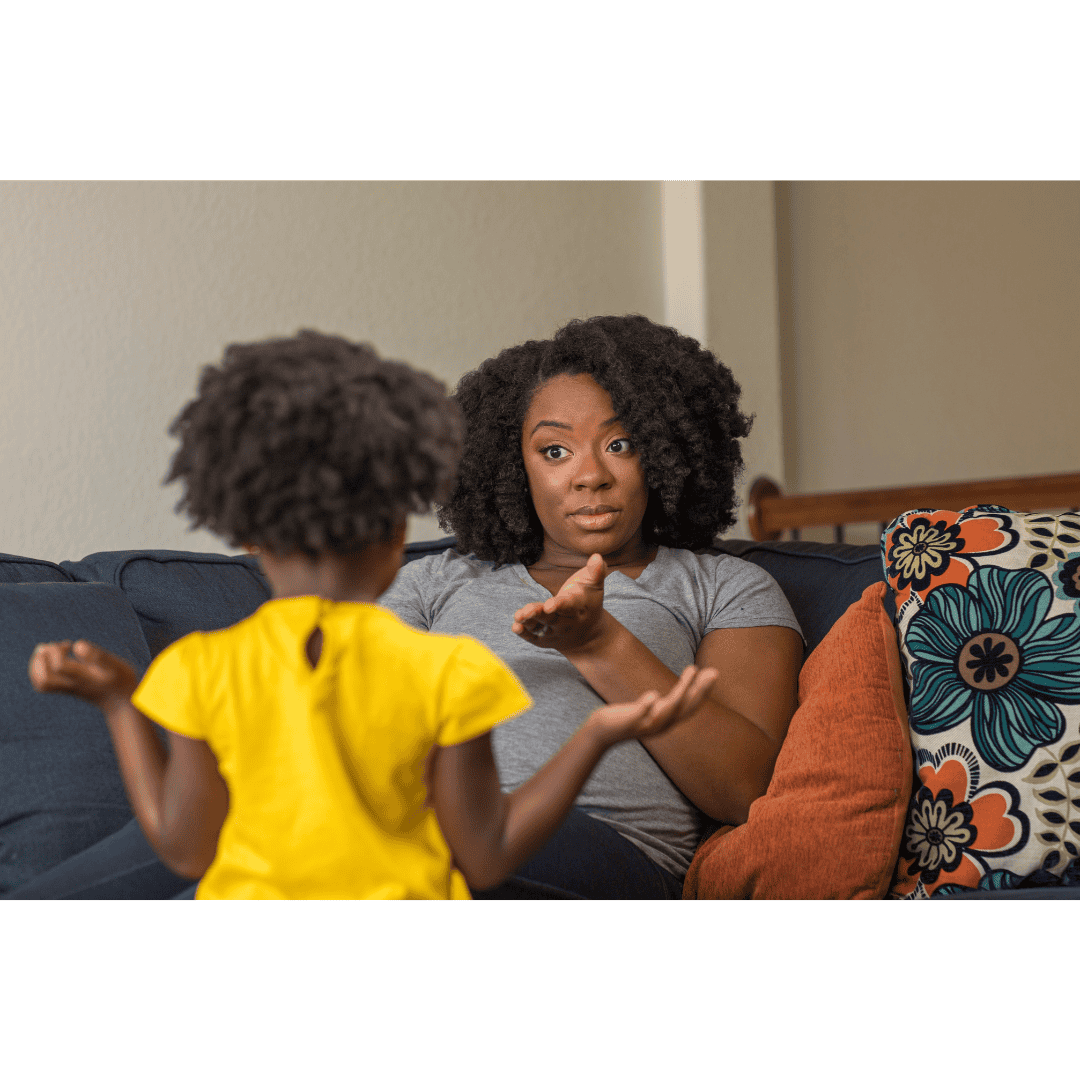
When we begin to look at behavior through a sensory lens, everything starts to make more sense. This does not mean we ignore hard moments or let go of expectations. It means we finally have a roadmap for how to help in a way that actually matches what is happening in the child’s body.
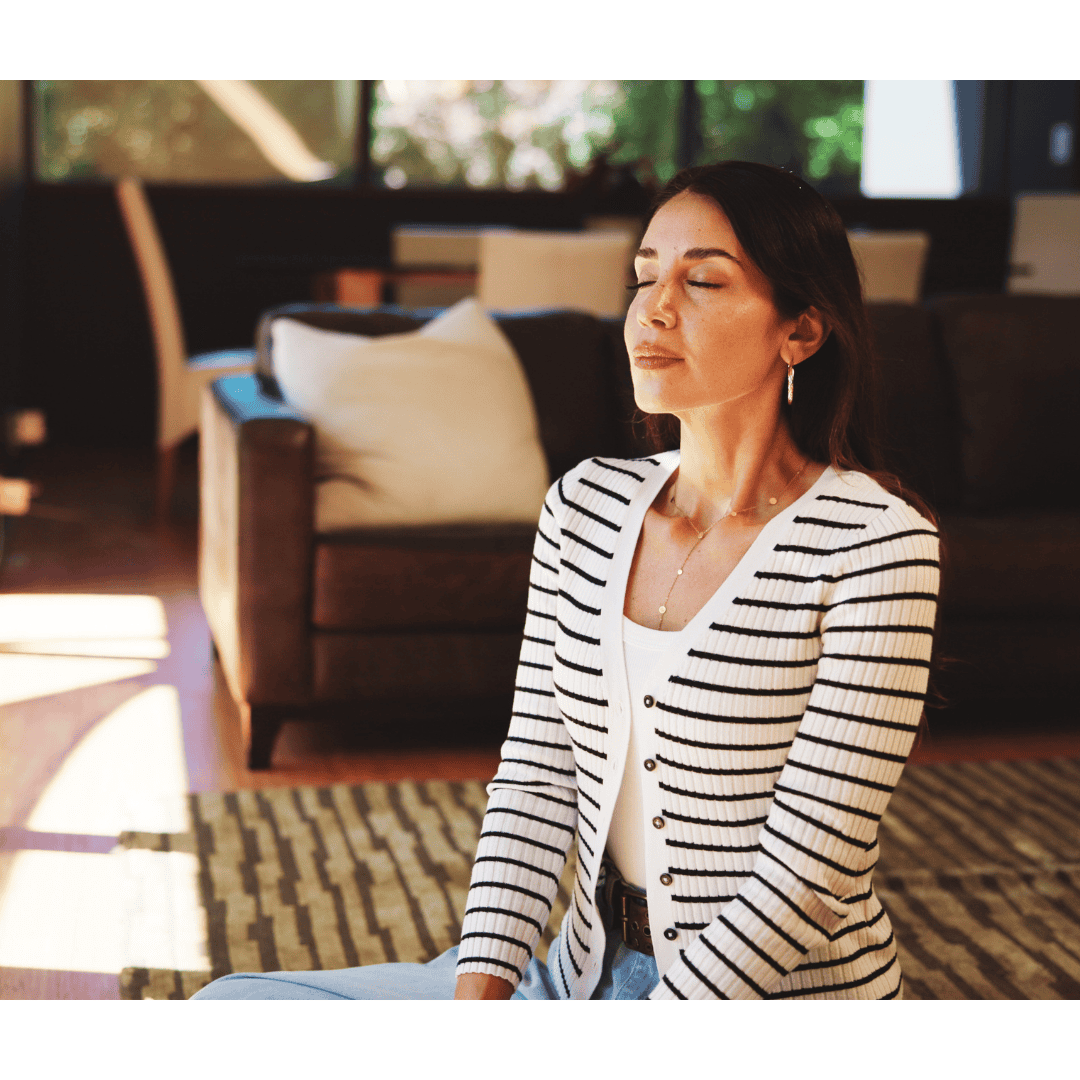
If you’ve ever felt ongoing tension in your body, pressure or heaviness in your pelvis, pelvic pain, or a sense that your core can’t quite activate it once did, your breathing patterns may be playing a much larger role than you realize.